A decision shared with the family
Observation, medication and surgery serve different needs. Age, symptoms, test results and progression help guide treatment choices.
Kidney and ureter
Restore urine drainage and protect the kidney.
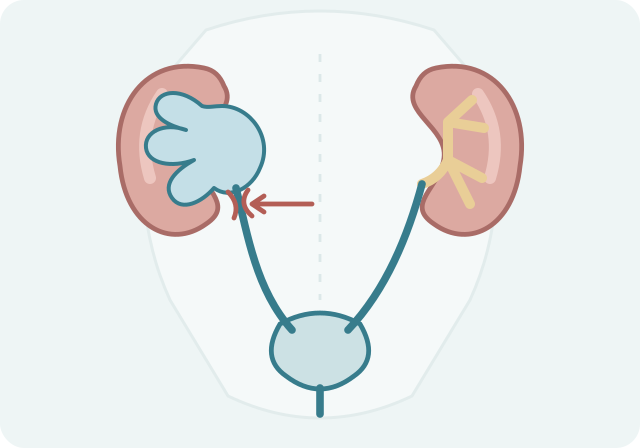
Pyeloplasty
Repair of a narrowing between the renal pelvis and the ureter.
What does it involve? →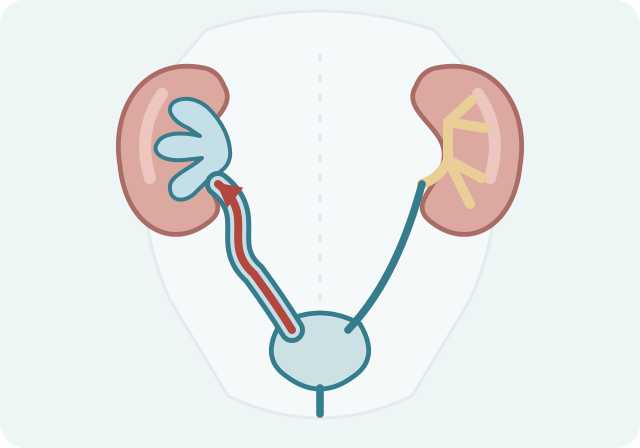
Ureteric reimplantation
Reconstruction of the connection between the ureter and bladder.
What does it involve? →Endoscopic reflux treatment
Injection beneath the ureteric opening to reduce backward urine flow.
What does it involve? →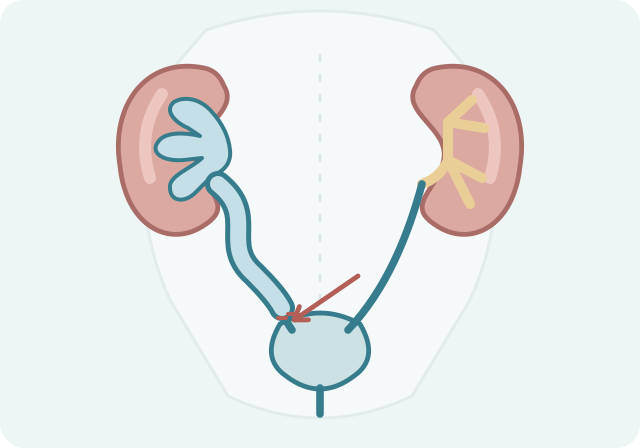
Megaureter treatment
Observation or intervention according to obstruction, symptoms and kidney function.
What does it involve? →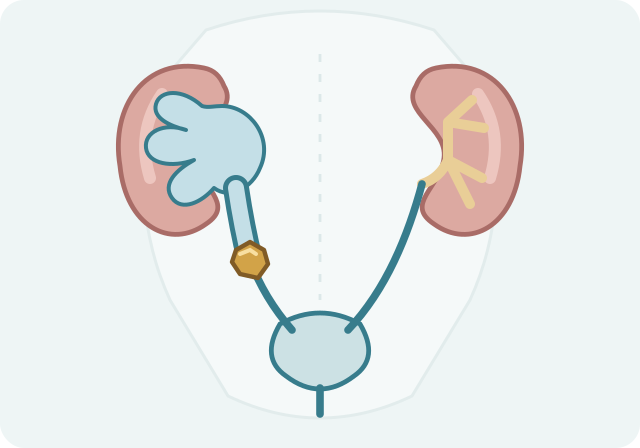
Urinary stone treatment
Options to support stone passage, fragment stones or remove them.
What does it involve? →Bladder and urethra
Improve urine outflow and bladder function.

Ureterocele treatment
Endoscopic decompression or reconstruction according to anatomy and progression.
What does it involve? →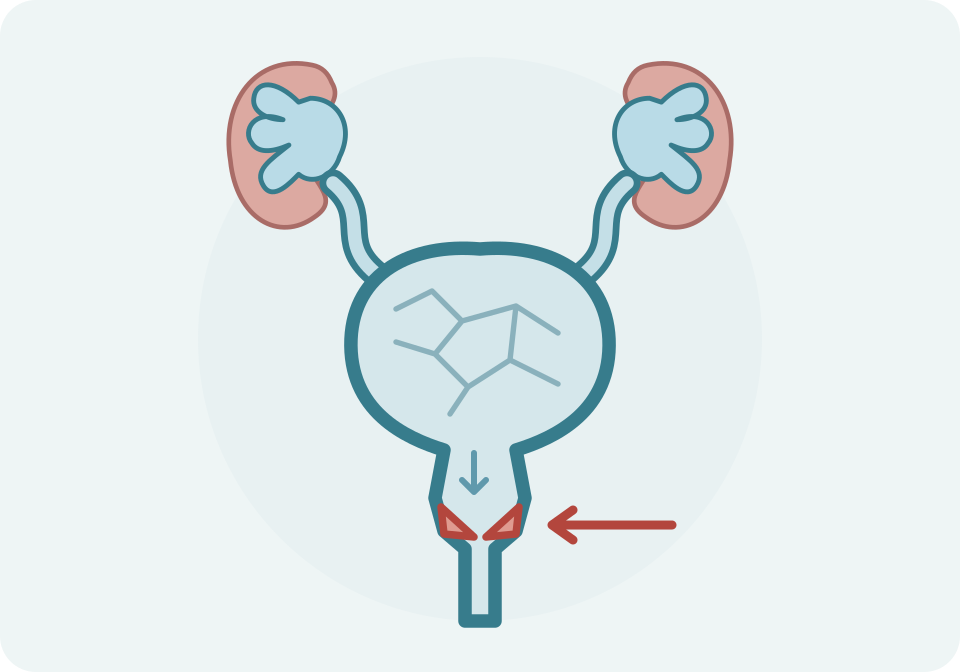
Posterior urethral valve treatment
Endoscopic removal of membranes that obstruct urine outflow.
What does it involve? →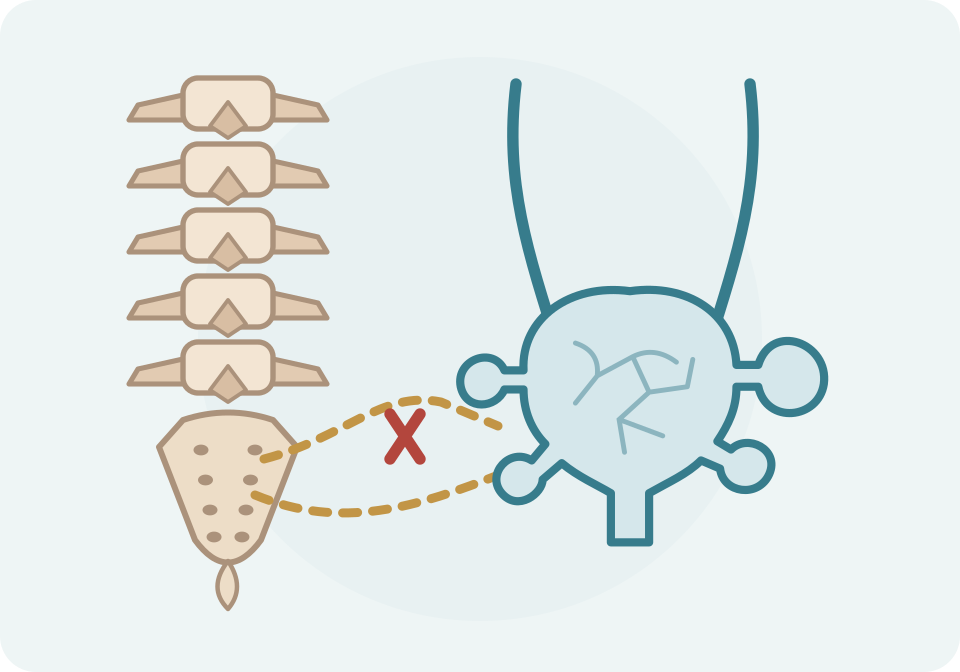
Bladder botulinum toxin
Bladder muscle injections for selected urine storage problems.
What does it involve? →Bladder reconstruction
Individualised surgery that may include bladder augmentation or a Mitrofanoff channel.
What does it involve? →Penis and foreskin
Medical and surgical care tailored to each condition.
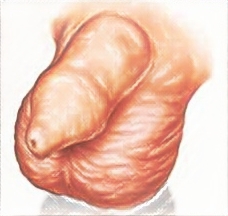
Phimosis treatment
Observation, topical steroid treatment or surgery according to symptoms and cause.
What does it involve? →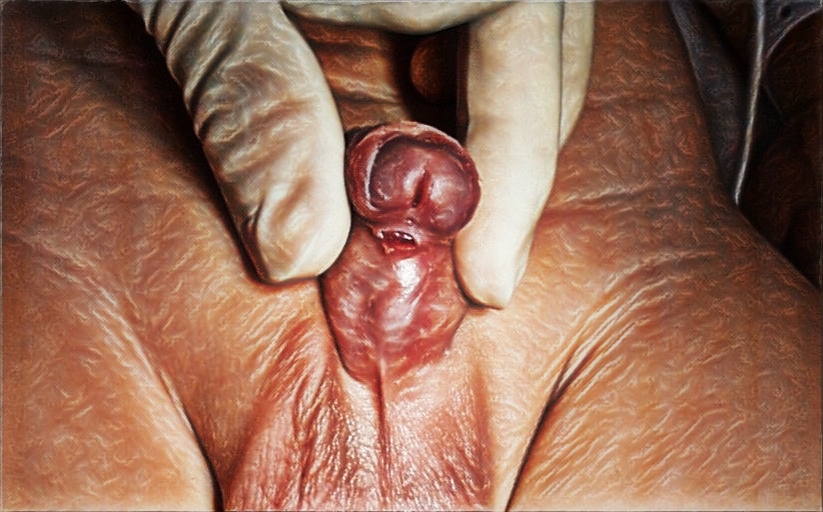
Hypospadias repair
Urethral reconstruction and correction of associated abnormalities when indicated.
What does it involve? →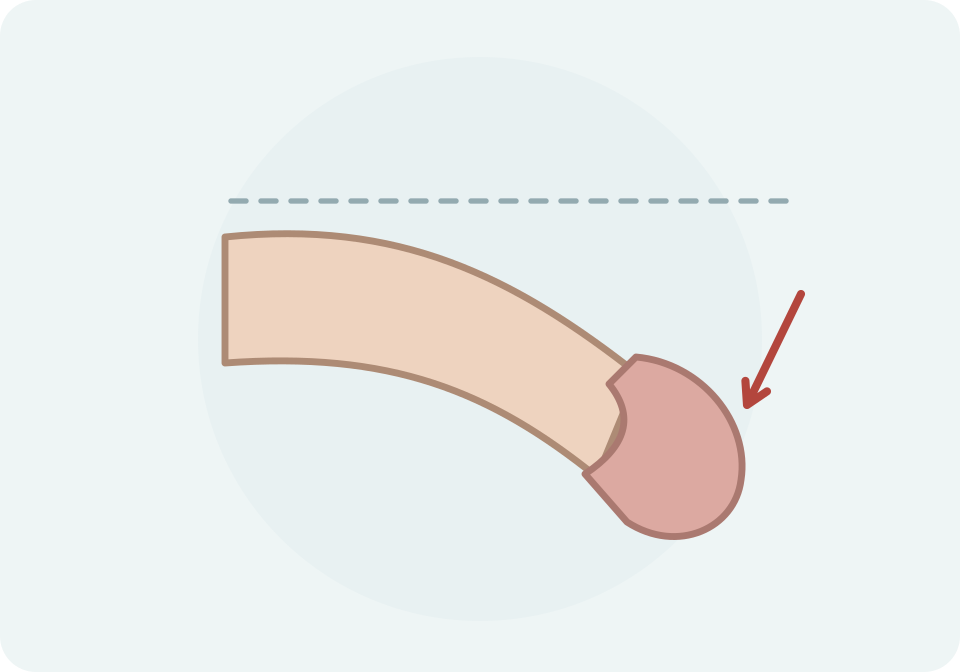
Penile curvature correction
Surgery to straighten the penis when the degree of curvature warrants it.
What does it involve? →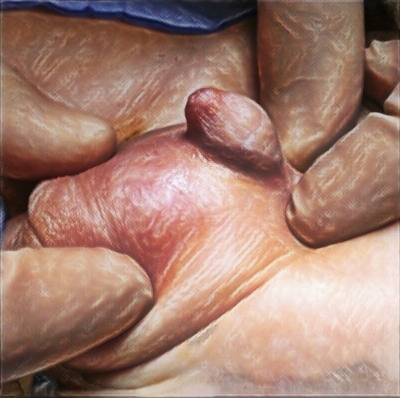
Webbed penis correction
Reconstruction of the skin junction between the penis and scrotum.
What does it involve? →Testes and scrotum
Address testicular position, enlarged veins and other scrotal conditions.
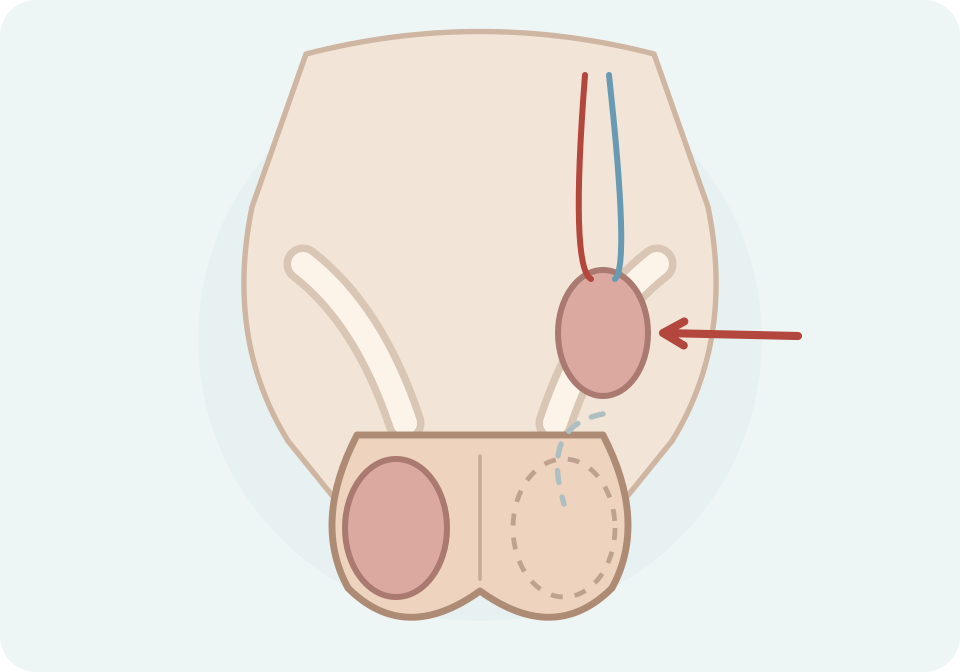
Orchidopexy
Moving and securing an undescended testis in the scrotum.
What does it involve? →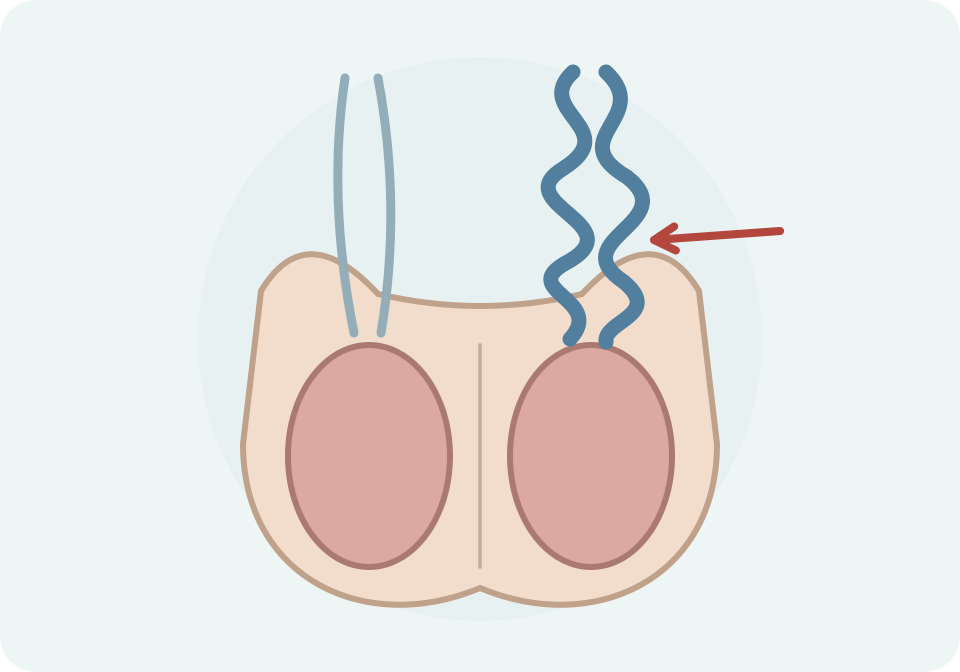
Varicocele treatment
Monitoring or treatment of enlarged veins according to their effects.
What does it involve? →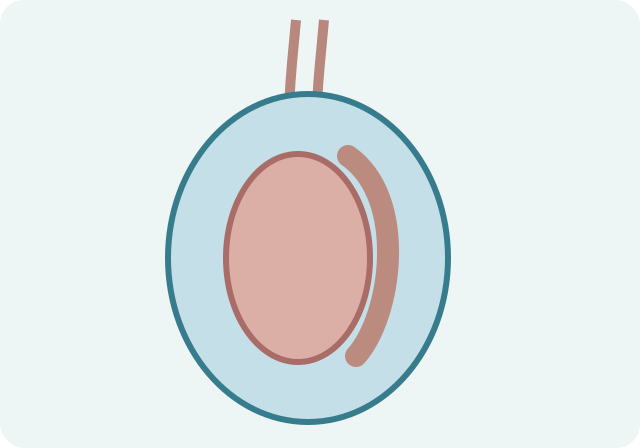
Hydrocele surgery
Repair of a communication or a persistent collection of fluid.
What does it involve? →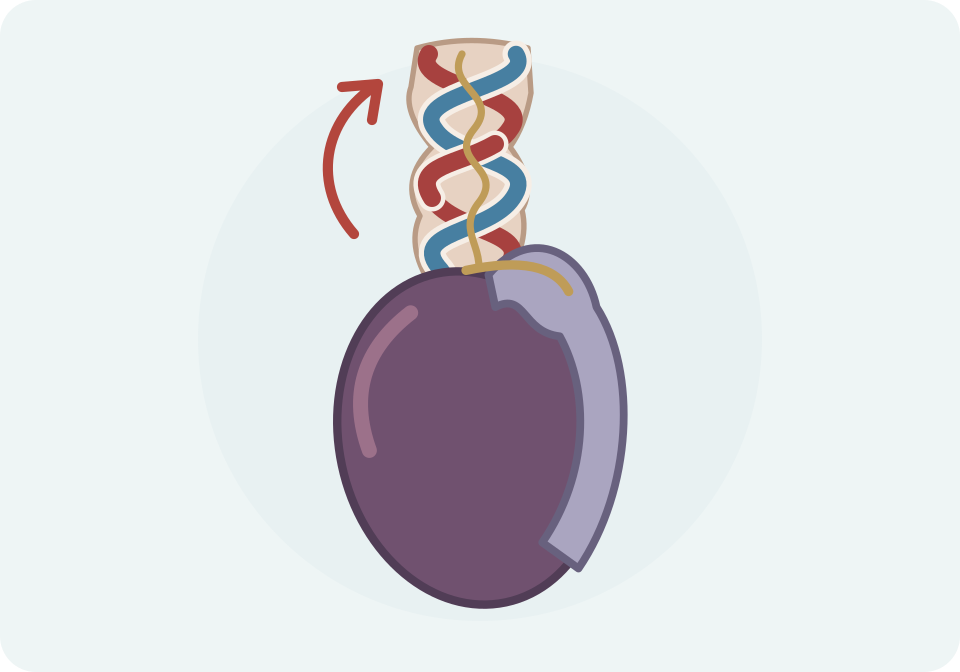
Testicular torsion surgery
Urgent surgery to untwist the cord and assess the testis.
What does it involve? →Voiding and continence
Support children and families with a stepwise treatment plan.
Urotherapy
Voiding routines, fluid habits and constipation management.
What does it involve? →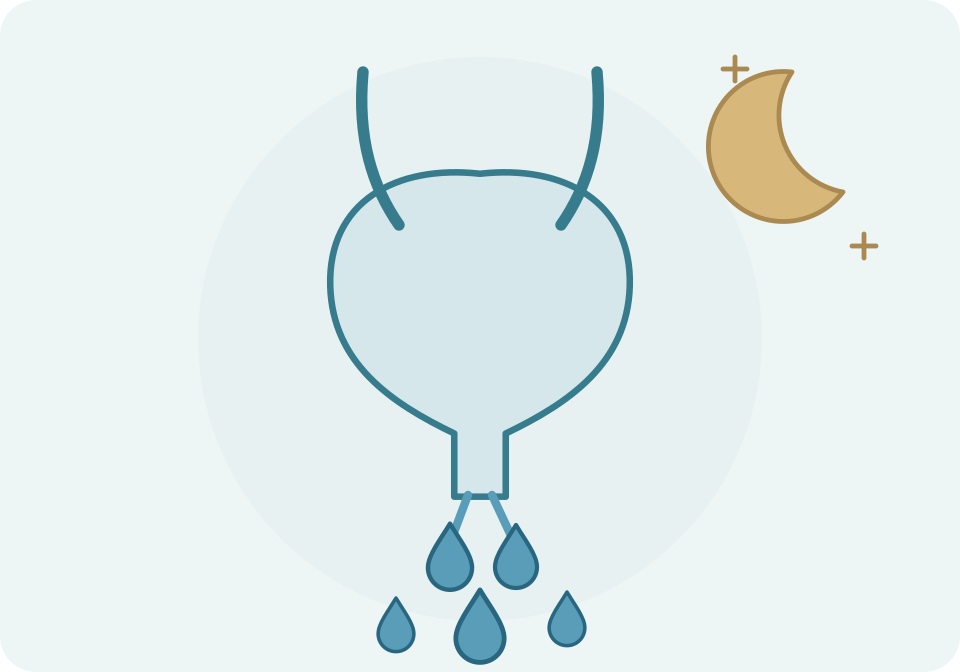
Bedwetting treatment
Supportive measures, an alarm or medication tailored to each child.
What does it involve? →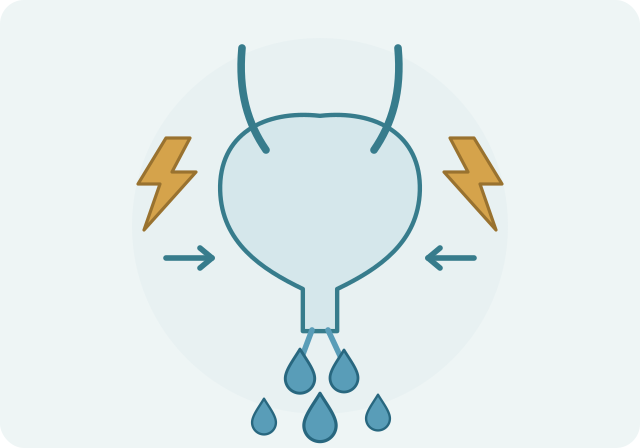
Bladder medication
Individualised medication to improve urine storage.
What does it involve? →Biofeedback
Guided training to help coordinate bladder emptying.
What does it involve? →Intermittent catheterisation
Regular bladder emptying with a catheter, supported by supervised training.
What does it involve? →An approach for each situation
Open surgery, laparoscopy and endoscopy are different approaches. The choice depends on the condition and the child’s individual needs.