What is it?
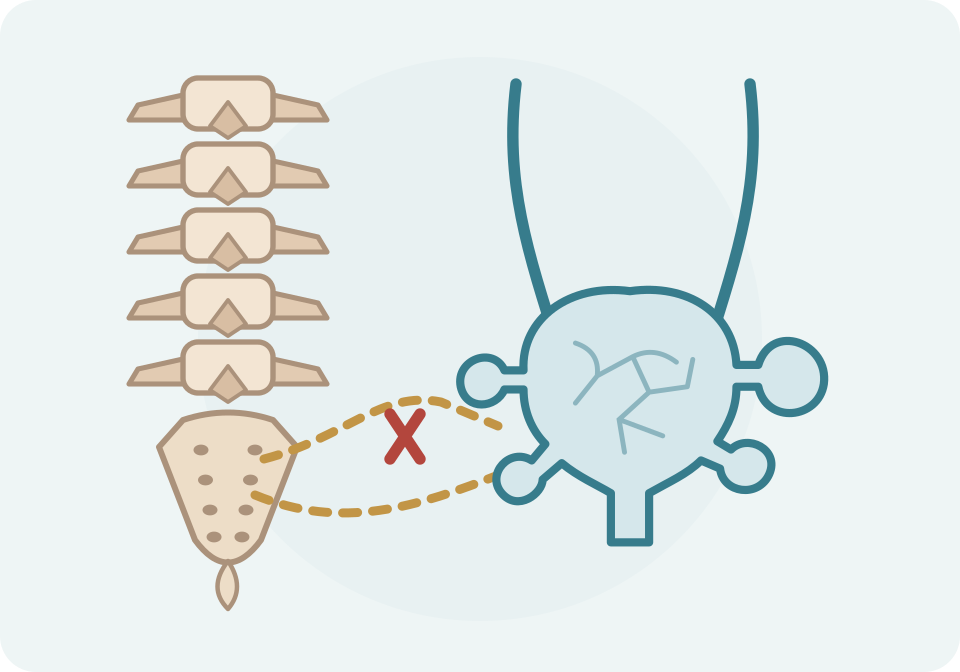
Regular bladder emptying using a catheter removed after drainage.
Related condition →When is it needed?
For incomplete emptying or a safe drainage plan, including selected neurogenic bladder conditions.
How is it done?
- The team teaches suitable hygiene, equipment and technique.
- Urethral catheterisation or an indicated channel is practised under supervision.
- Timing, records and a troubleshooting plan are agreed.
Alternatives
Options depend on the cause and bladder pressures. Permanent catheters or other drainage methods are not equivalent alternatives for everyone.
Everyday treatment
Integrate care at home and school with appropriate supplies and support. Do not change frequency without advice.
Follow-up and precautions
Possible problems and precautions
Possible discomfort, bleeding, infection or injury. Never force against resistance; inability to catheterise a full bladder needs urgent help.
Follow-up checks
Emptying, kidneys and bladder function are monitored. Fever or clinical changes need assessment, not automatic antibiotics.
Frequently asked questions
Does the catheter stay in?
No; it is removed after each emptying.
Can the child learn self-catheterisation?
Yes, according to age and ability, with supervision.
Continue once wetting stops?
Yes, while the prescribed medical plan requires it.