What is it?
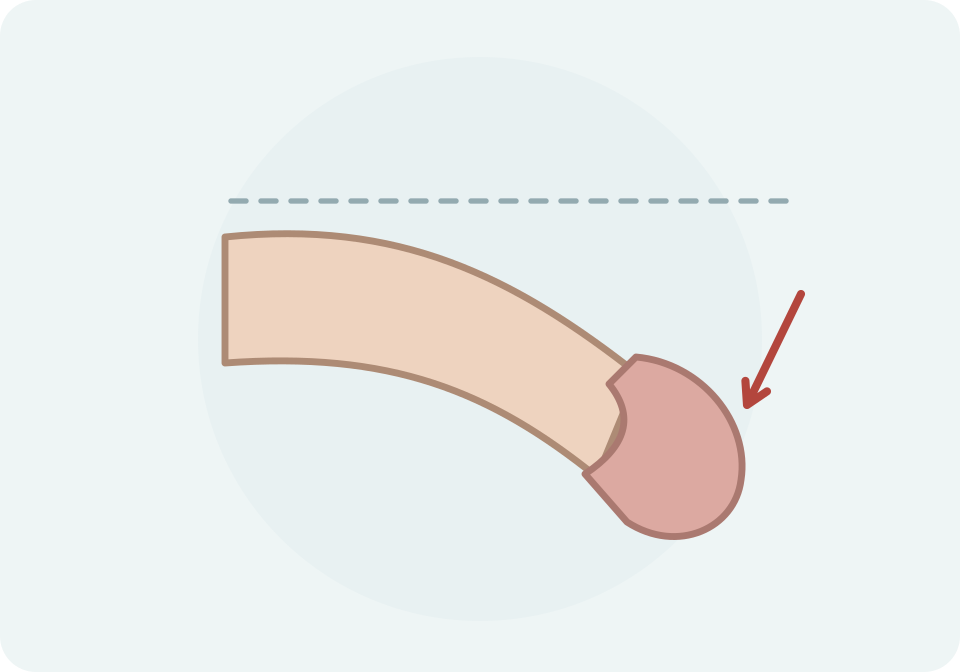
Surgery to straighten a significant curvature, either isolated or associated with hypospadias.
Related condition →When is it needed?
Isolated curvature can often wait until the patient can participate in decisions; functional concerns guide the indication.
How is it done?
- Curvature is measured under anaesthesia.
- Tissues are released and plication stitches or other techniques used as appropriate.
- Straightening is checked.
Alternatives
Observation when there is no significant effect. Creams and exercises do not replace correction of structural curvature.
Recovery
Wound care, pain relief and temporary restrictions depend on age and reconstruction.
Risks and follow-up
Possible problems and precautions
Curvature may persist or recur; bleeding, altered sensation or shortening can occur depending on the technique.
Follow-up checks
Healing and shape are reviewed; growth may prompt reassessment. Seek advice for fever, severe pain or wound problems.
Frequently asked questions
Does every curvature need surgery?
No. Effects and the patient’s preferences matter.
Is treatment the same with hypospadias?
No; urethral reconstruction can change the plan.
Is a perfect shape guaranteed?
No; the aim is satisfactory functional correction.