What is it?
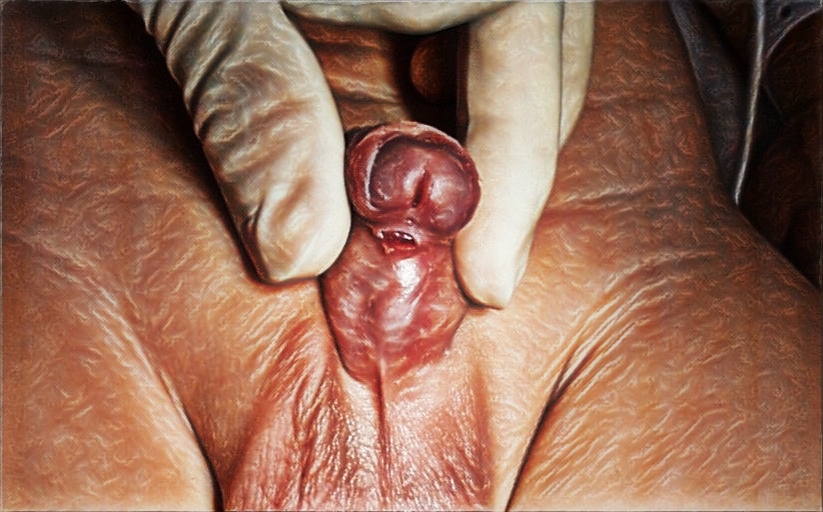
Urethral reconstruction and correction of curvature or associated abnormalities when indicated.
Related condition →When is it needed?
Decisions depend on the opening’s position, curvature, available tissue and functional effects.
How is it done?
- Under general anaesthesia, curvature is assessed and corrected.
- The urethra is reconstructed with suitable tissue in one or several stages.
- Catheter and dressing arrangements depend on the repair.
Alternatives
Some mild forms can be observed. Surgical techniques and stages are individualised.
Recovery
Follow catheter, dressing, pain relief and activity instructions. Do not remove devices without advice.
Risks and follow-up
Possible problems and precautions
Possible fistula, narrowing, wound separation or persistent curvature. Fever or absent catheter drainage needs assessment.
Follow-up checks
Healing, urine flow and function are monitored; reassessment during growth and puberty may be needed.
Frequently asked questions
Is one operation always enough?
No. Complex forms may need several stages.
Should the foreskin be preserved before assessment?
Yes; it may be useful for reconstruction.
Could another operation be necessary?
Yes, because of a complication or changes during growth.