What is it?
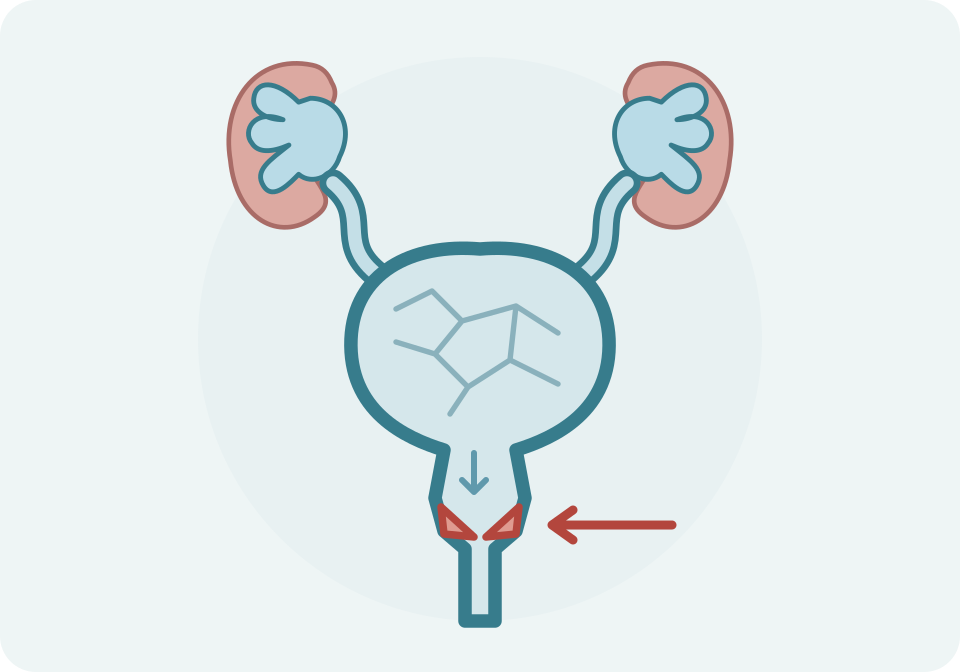
Removal of urethral membranes that obstruct bladder emptying in boys.
Related condition →When is it needed?
Obstruction needs specialist assessment. Initial care may require catheter drainage and treatment of infection, kidney problems or electrolyte disturbances.
How is it done?
- The child is stabilised and drainage secured.
- The valves are ablated endoscopically under anaesthesia.
- Bladder emptying is assessed and follow-up planned.
Alternatives
If endoscopy is unsuitable or insufficient, temporary drainage or diversion may be required.
Recovery
Catheter use and hospital stay depend on kidney status, the child’s size and recovery.
Risks and follow-up
Possible problems and precautions
Persistent obstruction, bladder dysfunction or urethral narrowing may occur. Fever or markedly reduced urine output needs assessment.
Follow-up checks
Long-term monitoring of bladder function, blood pressure and kidneys is often coordinated with nephrology.
Frequently asked questions
Does surgery make the kidneys normal?
Not always; existing damage may remain.
Are checks needed with a good urine stream?
Yes; this does not exclude kidney or bladder problems.
May other treatments be needed?
Yes, including medication or catheterisation in some cases.