What is it?
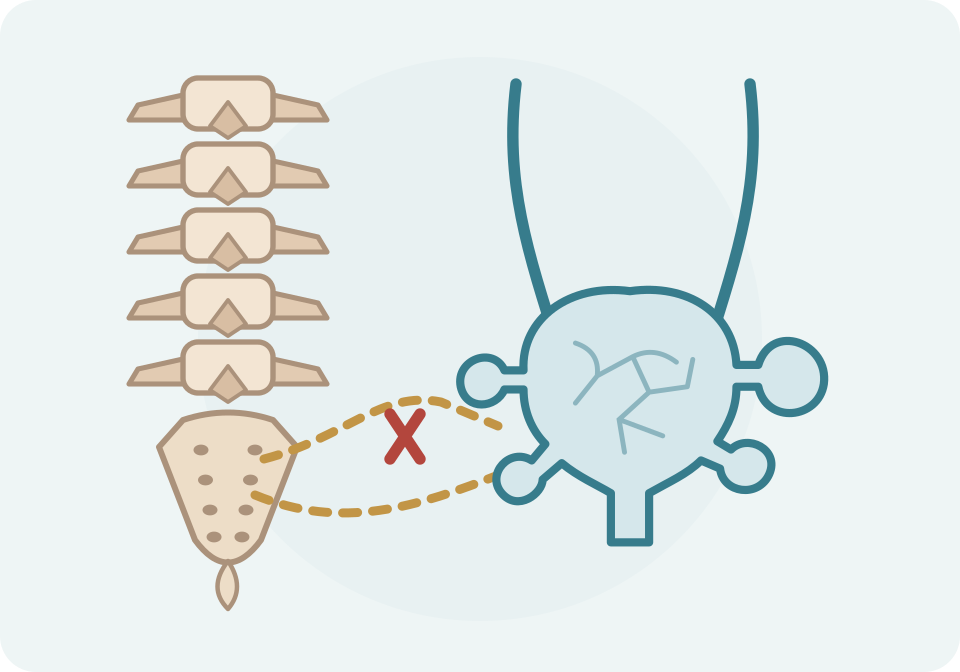
Operations to improve bladder capacity or pressure and facilitate catheterisation, including augmentation or a Mitrofanoff channel.
Related condition →When is it needed?
For significant problems threatening kidney health or continence when other measures are insufficient.
How is it done?
- Kidneys, bladder function and catheterisation options are assessed.
- Augmentation may use bowel; a Mitrofanoff creates a channel to the skin.
- An emptying and care plan is taught.
Alternatives
Medication, botulinum toxin, catheterisation or alternative diversions, depending on the situation.
Recovery
Hospital care and supervised training are needed. Temporary catheters and washouts for mucus may be required.
Risks and follow-up
Possible problems and precautions
Possible infections, stones, metabolic problems, channel narrowing and, rarely, bladder perforation. Severe abdominal pain or absent drainage requires urgent care.
Follow-up checks
Lifelong monitoring of kidneys, emptying and the reconstruction. Do not stop prescribed catheterisation without advice.
Frequently asked questions
Are a Mitrofanoff and augmentation the same?
No; they can be performed together or separately.
Does this remove the need for catheters?
It often facilitates intermittent catheterisation rather than removing the need.
Is adult follow-up necessary?
Yes, with coordinated transition to adult care.