What is it?
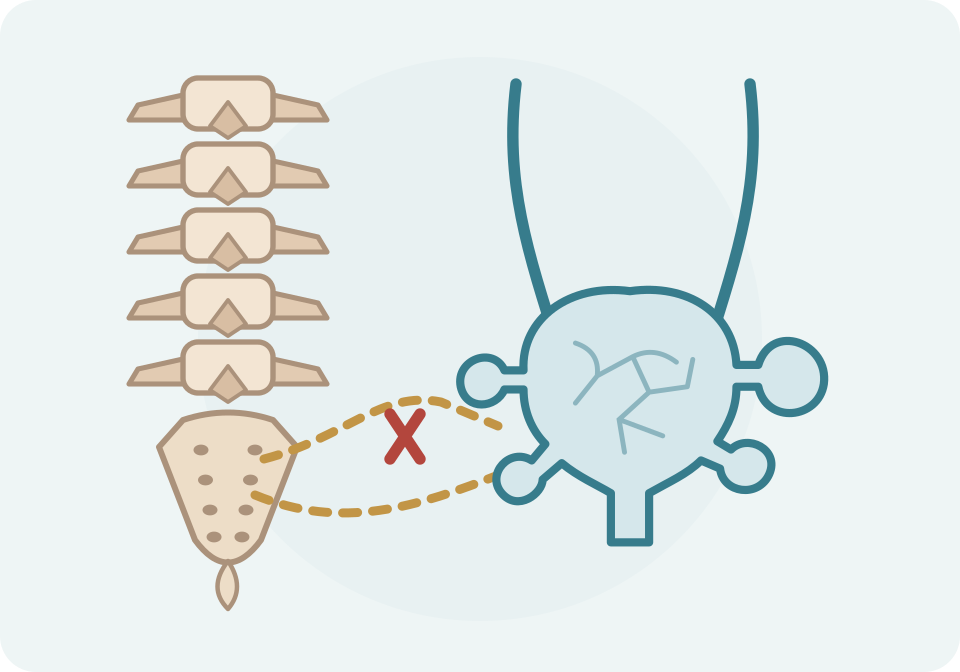
Injections into the bladder muscle to reduce excessive contractions or high pressures in selected cases.
Related condition →When is it needed?
Considered when usual treatment is insufficient or poorly tolerated, according to diagnosis and functional assessment.
How is it done?
- Clinical status and the need for urine testing are reviewed.
- Through cystoscopy under anaesthesia, toxin is injected into the muscle.
- Bladder emptying is checked afterwards.
Alternatives
Urotherapy, medication, catheterisation or reconstruction, depending on the condition and response.
Recovery
It may be a day-case procedure. Any need for catheterisation and ongoing medication should be discussed beforehand.
Risks and follow-up
Possible problems and precautions
Infection, blood in urine or retention may occur. Seek advice for fever, inability to pass urine or generalised weakness.
Follow-up checks
Symptoms, residual urine and, when appropriate, urodynamics assess response. Effects are temporary and repeat treatment may be considered.
Frequently asked questions
Is it permanent?
No; the effect may wear off.
Is catheterisation always needed?
No, but this possibility must be assessed and discussed beforehand.
Does it replace every other treatment?
Not necessarily; some treatments must continue.