Dr. Oriol Martín Solé · Information for families
Bladder conditions in children
The bladder stores urine until it is time to urinate. These conditions can affect its shape, control or emptying.
Understanding bladder conditions
12 conditions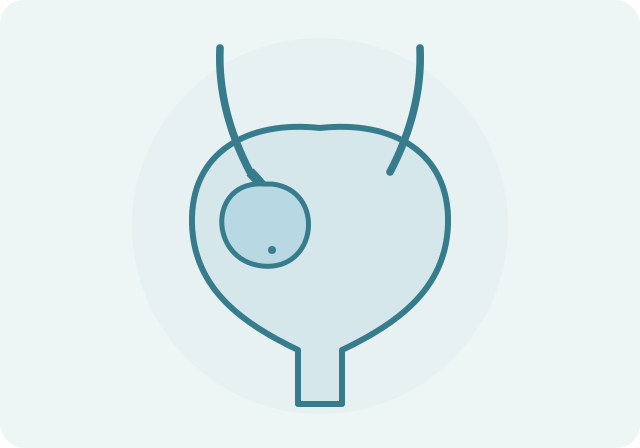
Ureterocele
A balloon-like swelling at the end of a ureter inside the bladder that can hinder urine drainage. It is usually associated with a duplicated ureteric system.
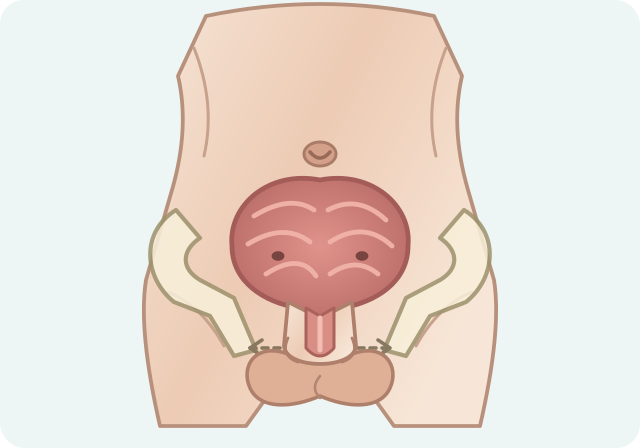
Bladder exstrophy
A severe congenital malformation in which the bladder is open through the lower abdominal wall, associated with epispadias and separation of the pubic bones.
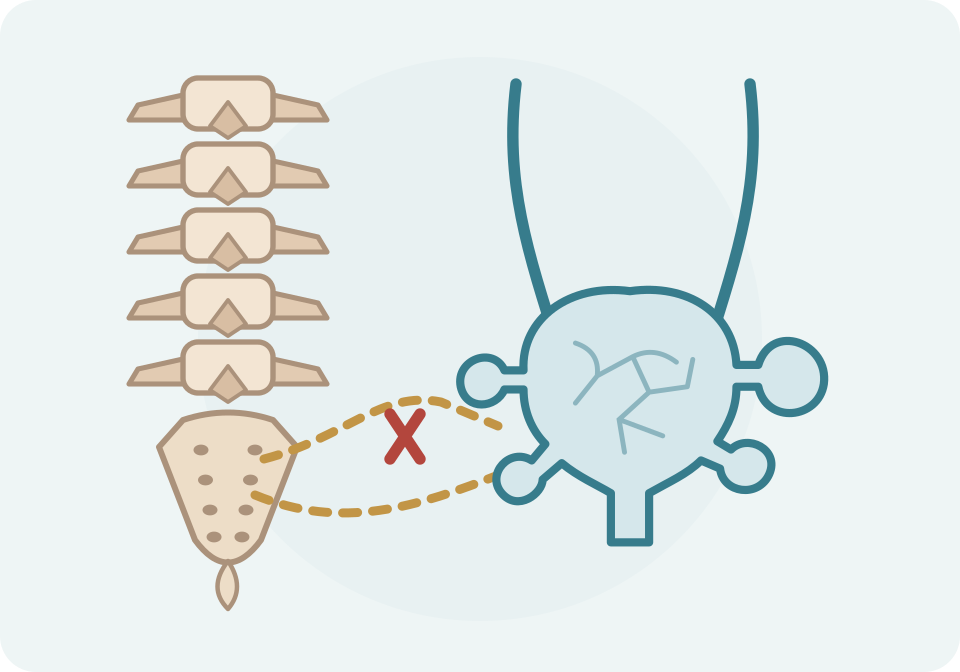
Neurogenic bladder
Impaired bladder nerve control, usually due to spina bifida in children, but also caused by spinal cord injury or tumour compression.
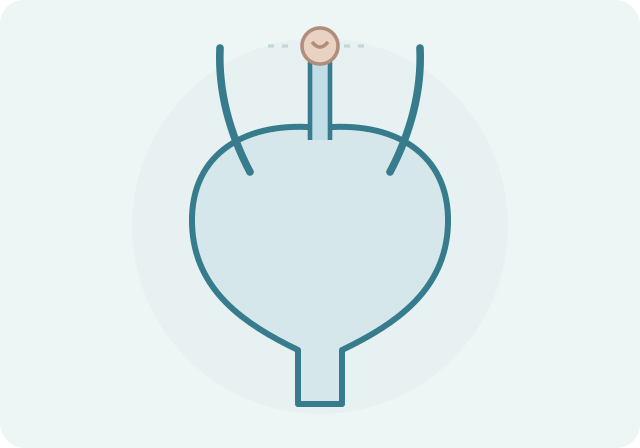
Persistent urachus
Persistence of part of the fetal channel between the bladder and the navel, which may form a cyst or remain open.
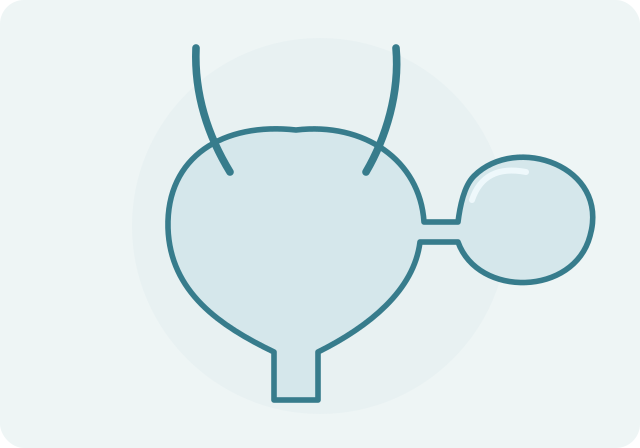
Bladder diverticulum
An outpouching of the bladder wall that may retain urine after voiding, increasing the risk of infections or other urinary symptoms.
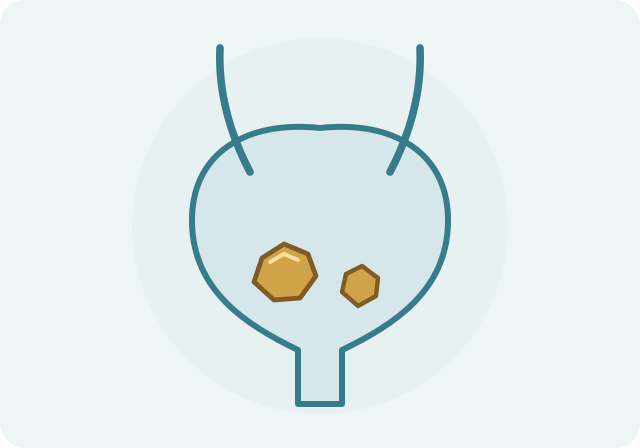
Bladder stones
Stones within the bladder that may cause pain, blood in the urine or difficulty urinating.
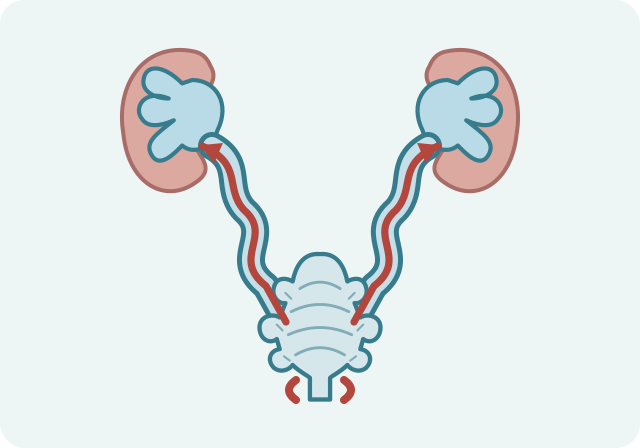
Hinman syndrome
Severe bladder-emptying dysfunction caused by poor coordination with the sphincter, without an explanatory neurological lesion. It is usually associated with high-grade vesicoureteral reflux.
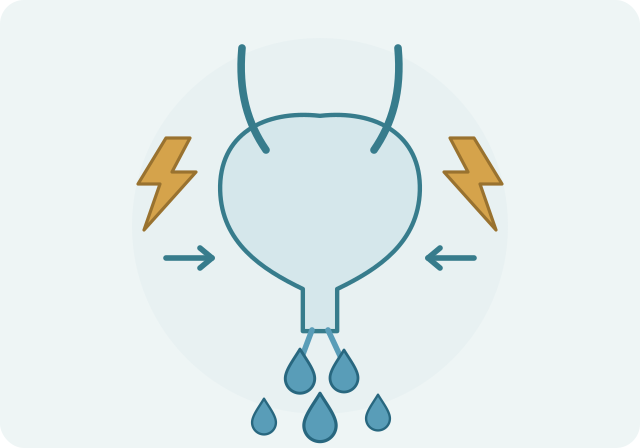
Overactive bladder
A sudden, intense urge to urinate (urinary urgency), often with frequent urination and possible urine leakage.
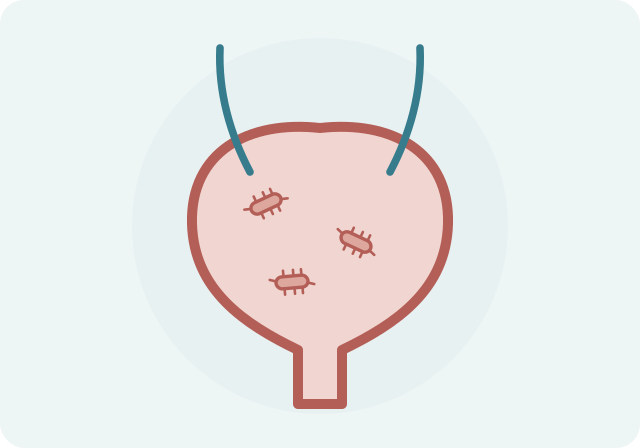
Cystitis
Inflammation of the bladder, usually caused by bacterial infection, which may cause burning and frequent urination.
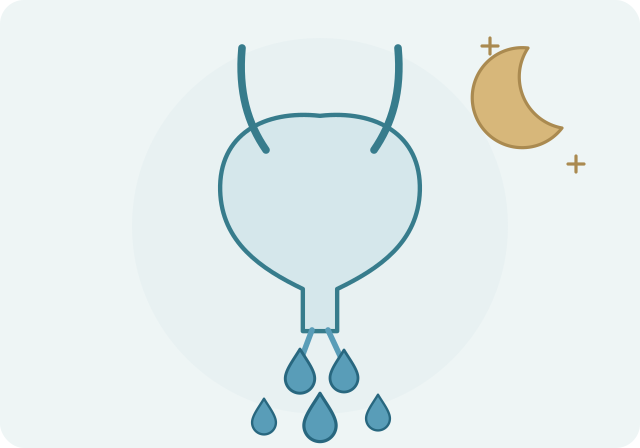
Nocturnal enuresis
Involuntary wetting during sleep from the age of five years.
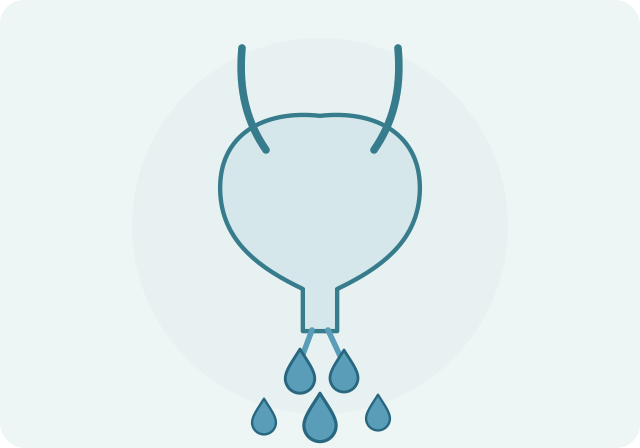
Urinary incontinence
Involuntary urine leakage that may have different causes and occur during the day or at night.
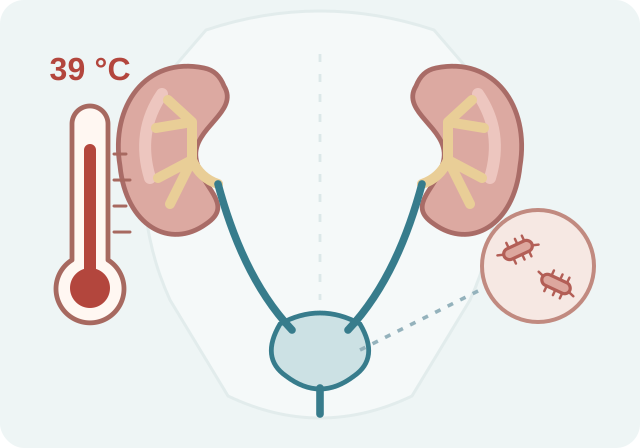
Urinary tract infections
Infections of the urinary tract, usually caused by bacteria, that may affect the bladder or kidneys.
These anatomical and functional diagrams are illustrative examples and do not represent every variation.
Further reading
- Ureterocele
- Bladder exstrophy
- Neurogenic bladder
- Urachal remnants — EAU
- Bladder diverticulum — NIH MedGen
- Urinary stones in children — EAU
- Bladder stones — NHS
- Hinman syndrome — Orphanet
- Daytime lower urinary tract conditions — EAU
- Bladder control and bedwetting — NIDDK
- Urinary tract infection in children — NIDDK
- Primary bladder diverticula in children — Journal of Urology
- Urinary tract infection clinical pathway — CHOP