Dr. Oriol Martín Solé · Information for families
Genital conditions in children
Genital conditions may affect the penis, foreskin, testes, scrotum or vulva, as well as genital development.
Understanding genital conditions
19 conditions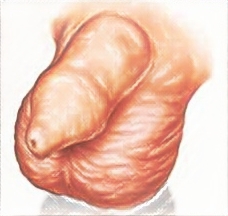
Phimosis
A narrow foreskin opening that makes retraction difficult; in young children, this may be part of normal development.
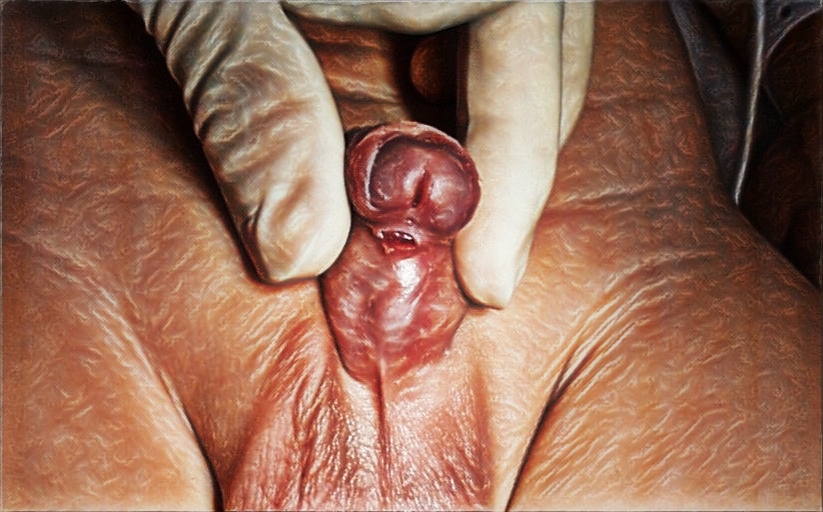
Hypospadias
A congenital condition in which the urethral opening is on the underside of the penis, often with curvature and an incomplete foreskin.
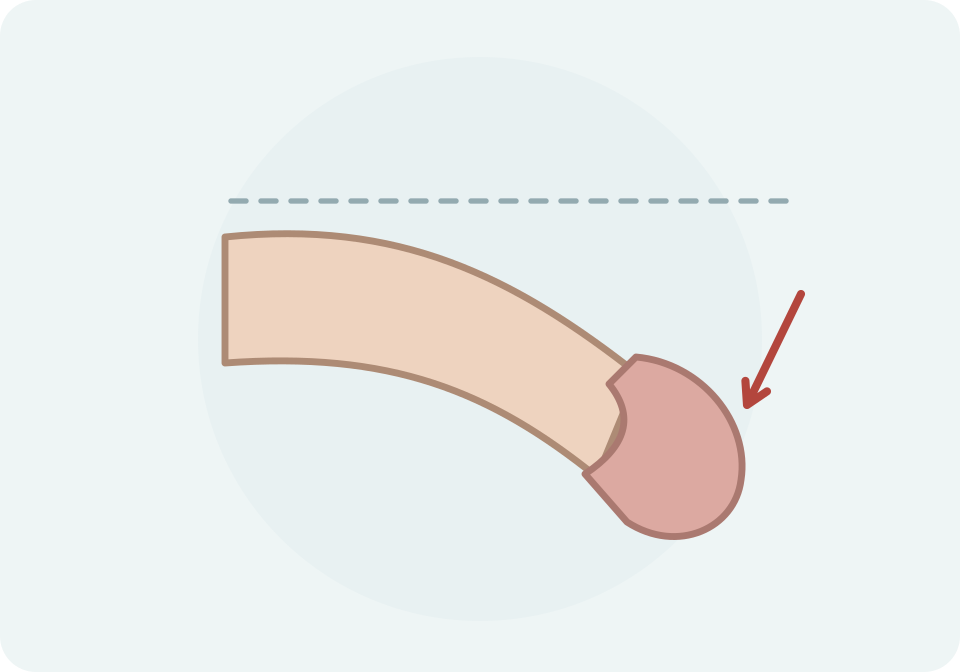
Penile curvature
A bend in the penile shaft, usually present from birth, that may occur alone or alongside hypospadias.
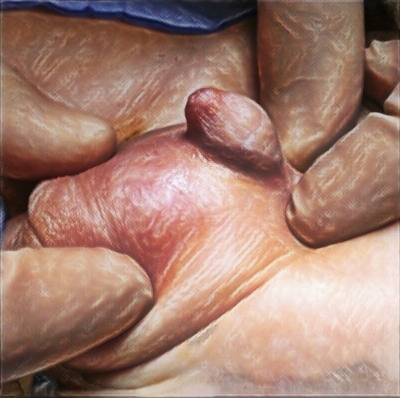
Webbed penis
Scrotal skin attaching unusually high on the underside of the penis, obscuring the angle between the penis and scrotum.
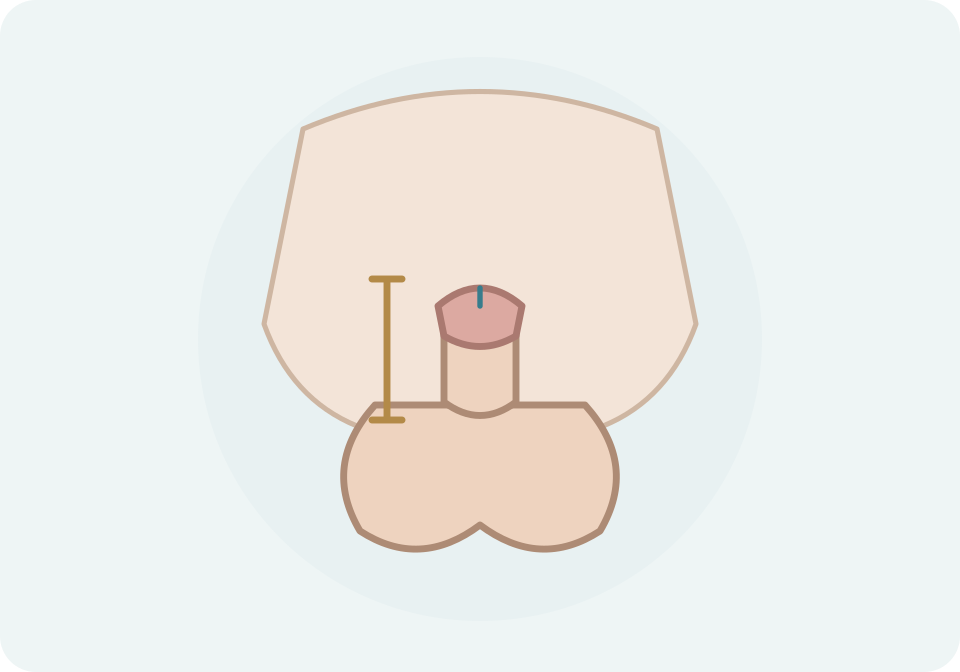
Micropenis
A structurally normal penis with a stretched length below the expected range for age, requiring specialist assessment.
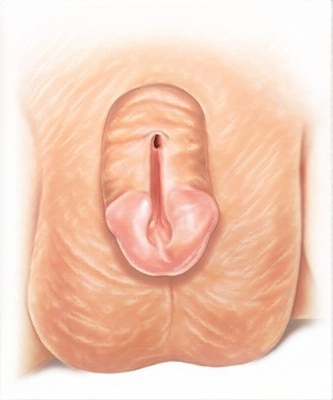
Epispadias
A congenital urethral defect with an opening on the upper side of the penis in boys, which may occur with bladder exstrophy.
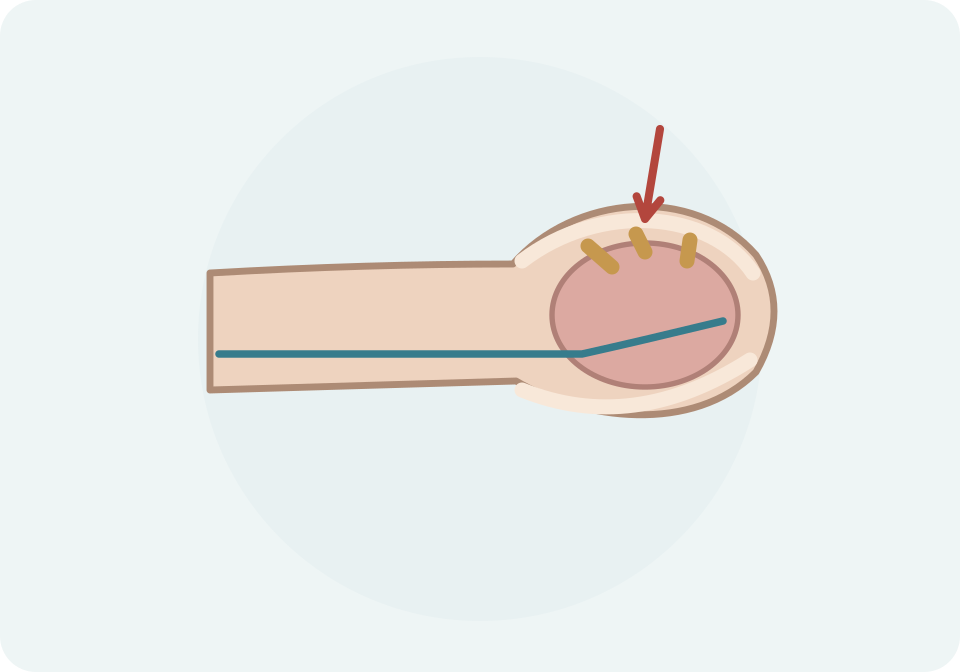
Preputial adhesions
Attachments between the foreskin and glans, common in childhood, that often separate naturally as a child grows.
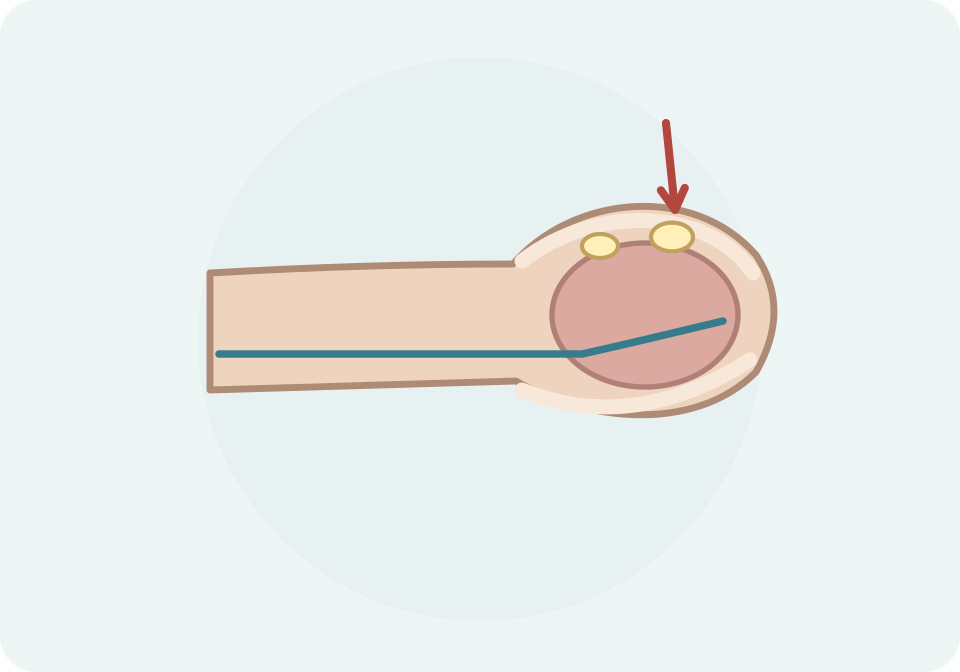
Smegma cysts
Small whitish collections of shed skin cells beneath the foreskin, usually benign and not caused by infection.
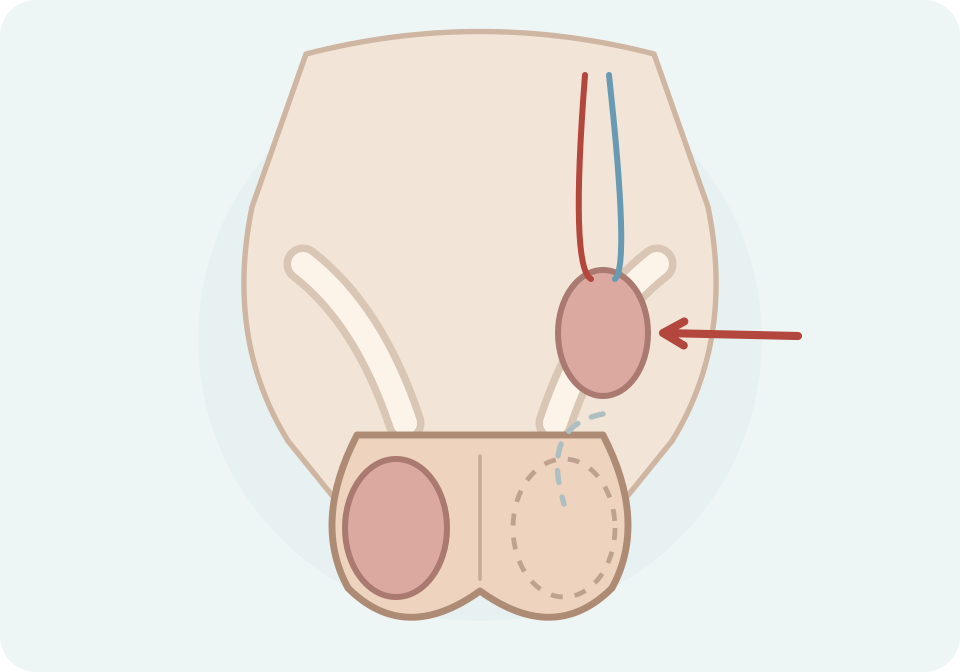
Undescended testis
One or both testes being outside the scrotum, potentially remaining along their normal path of descent.
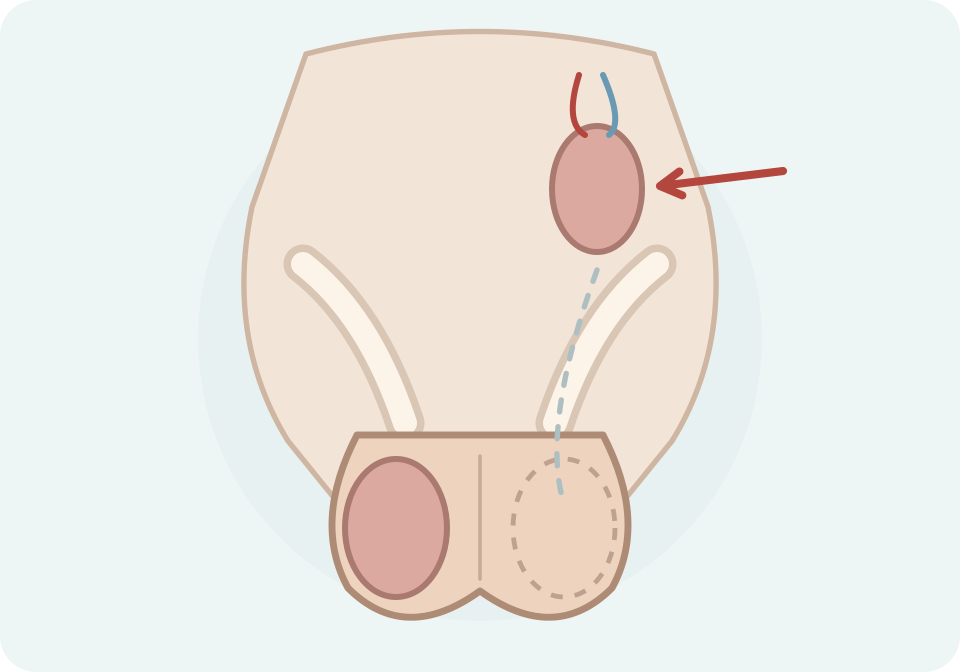
Non-palpable testes
Testes that cannot be located by examination; they may be inside the abdomen, very small or absent.
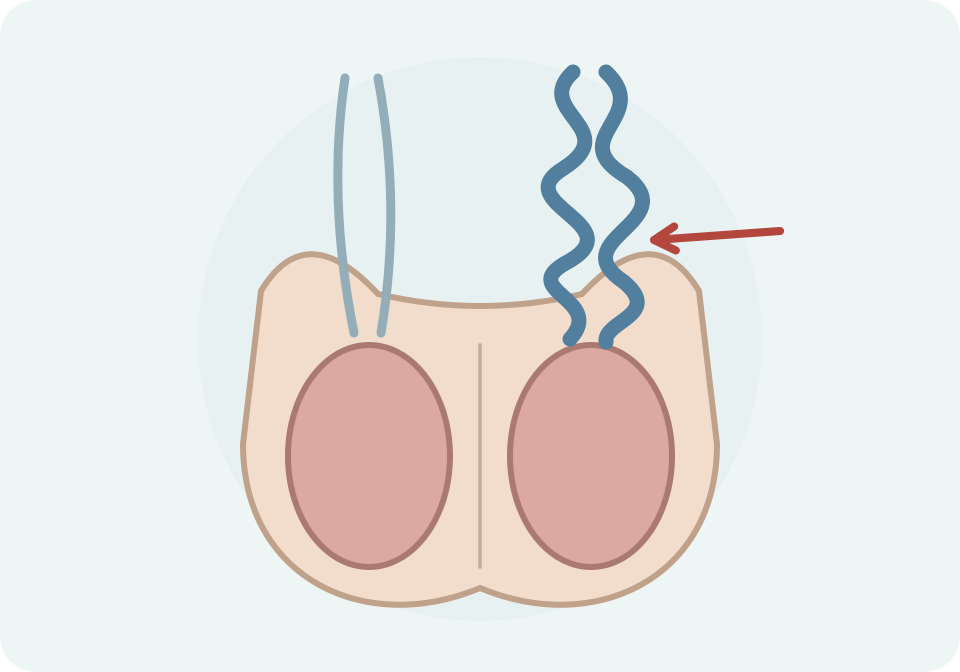
Varicocele
Enlarged veins around the testis, more common during adolescence and usually on the left side.
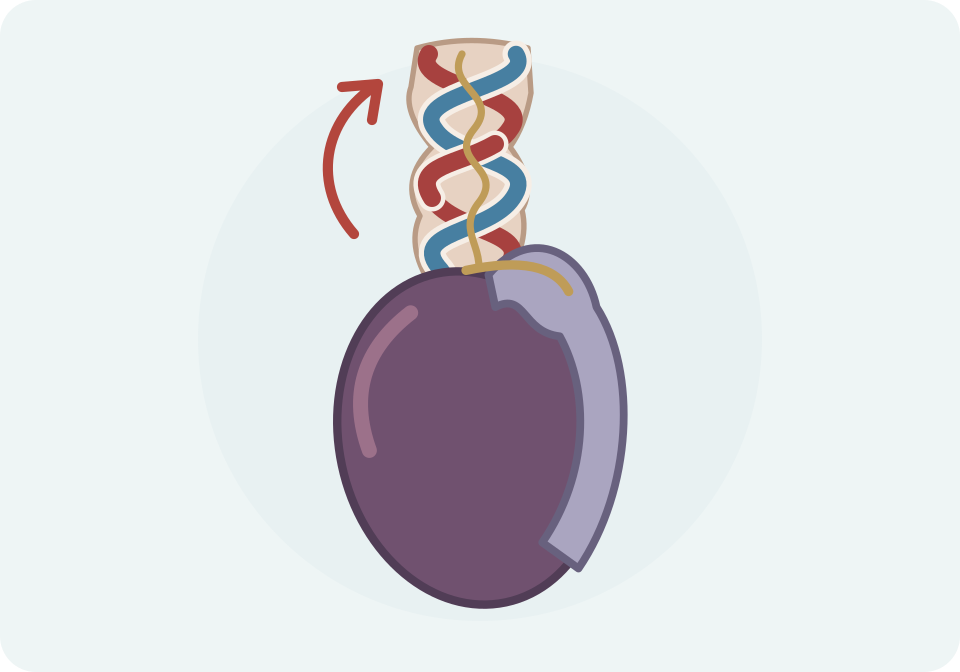
Testicular torsion
Twisting of the spermatic cord that may cut off blood flow to the testis and requires immediate medical attention.
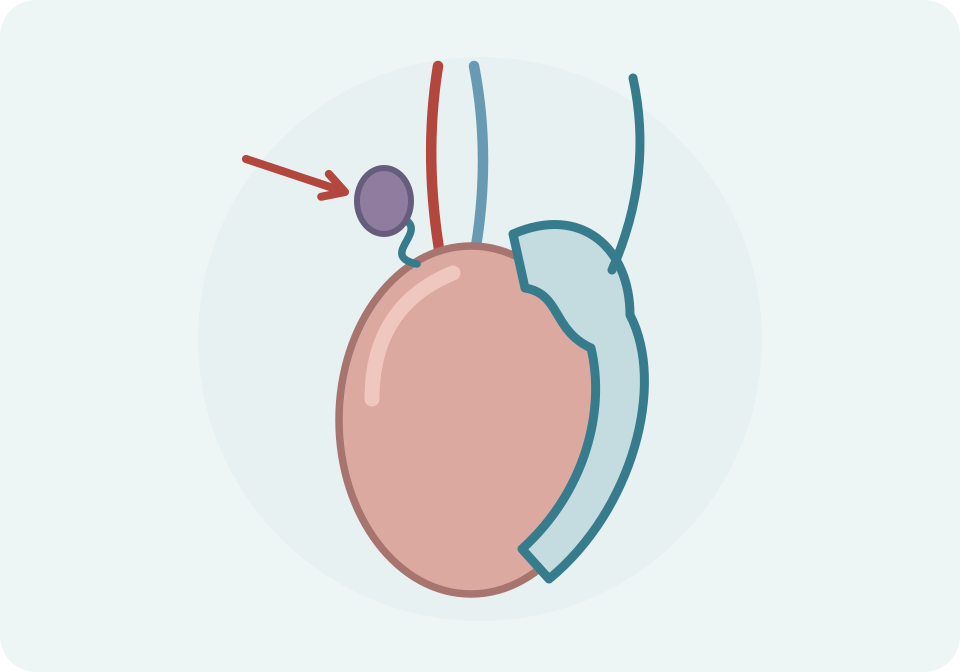
Torsion of the appendix testis
Twisting of a small appendage beside the testis, causing scrotal pain and inflammation.
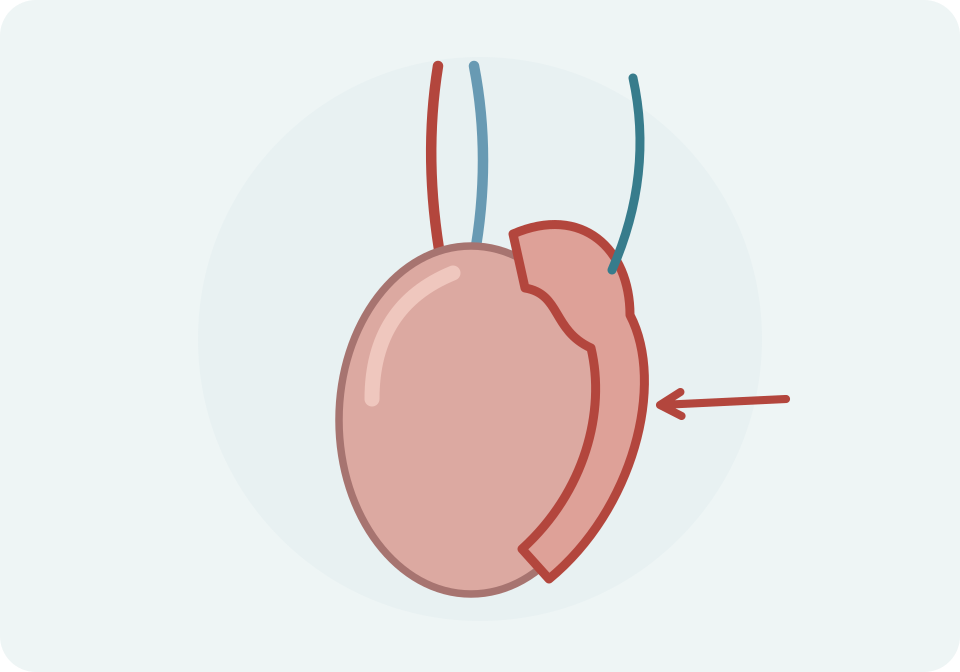
Epididymitis
Inflammation of the epididymis, the tube beside the testis, which may cause scrotal pain and swelling.
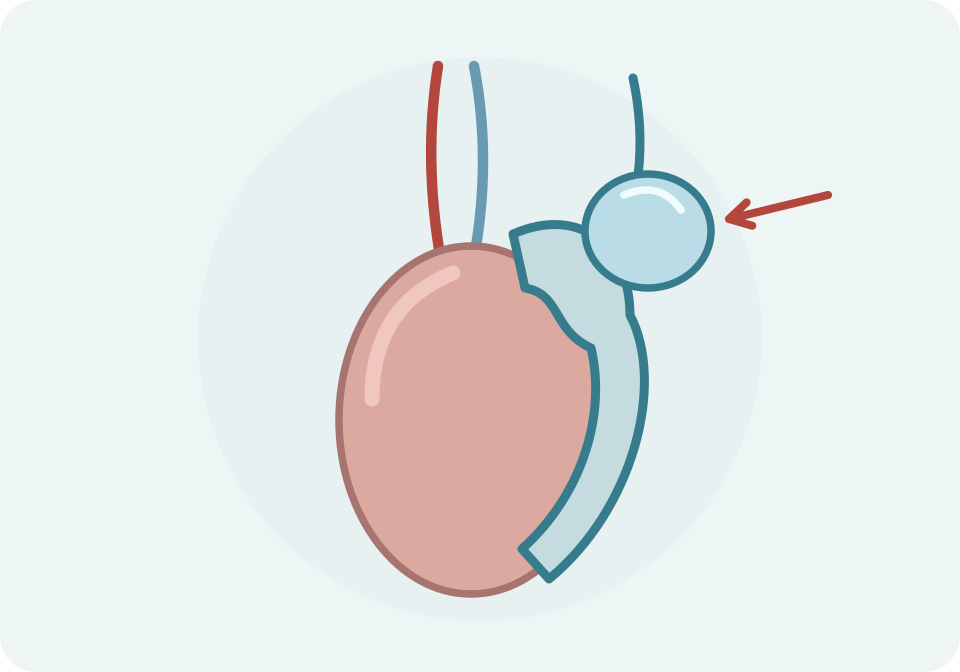
Epididymal cysts
Small benign fluid-filled sacs in the epididymis beside the testis, usually painless.
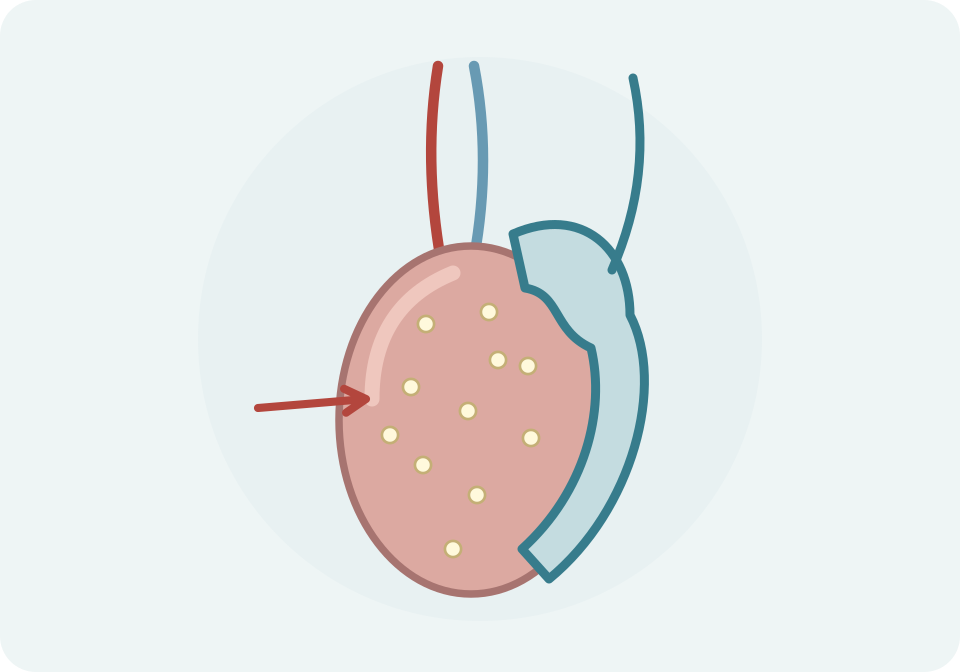
Testicular microlithiasis
Tiny calcium deposits within the testis, usually detected as bright spots on an ultrasound scan.
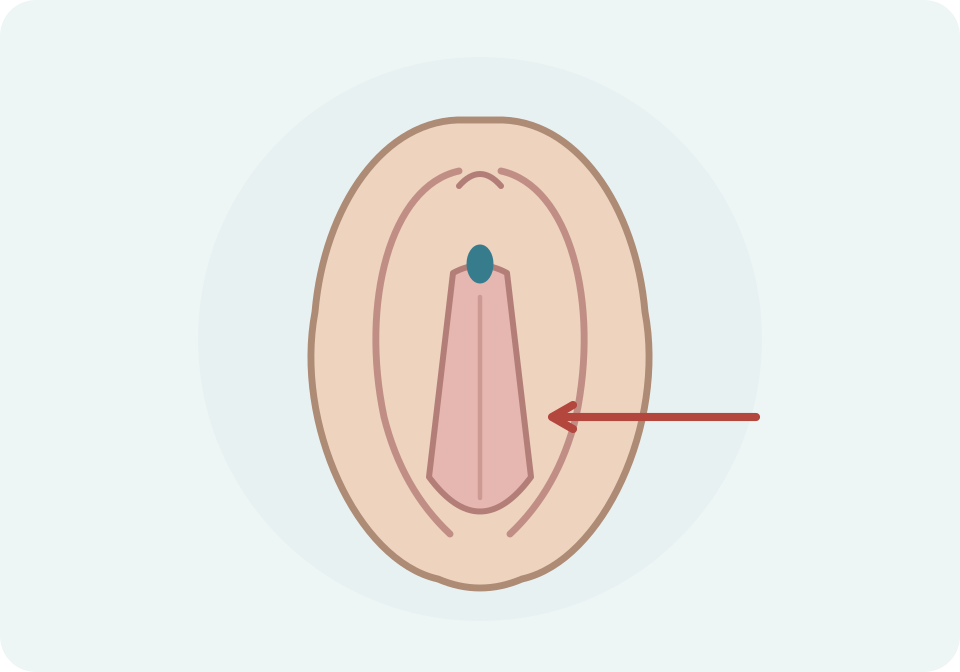
Labial adhesions
Adhesion between the inner labia, common in young girls and sometimes associated with urinary symptoms.
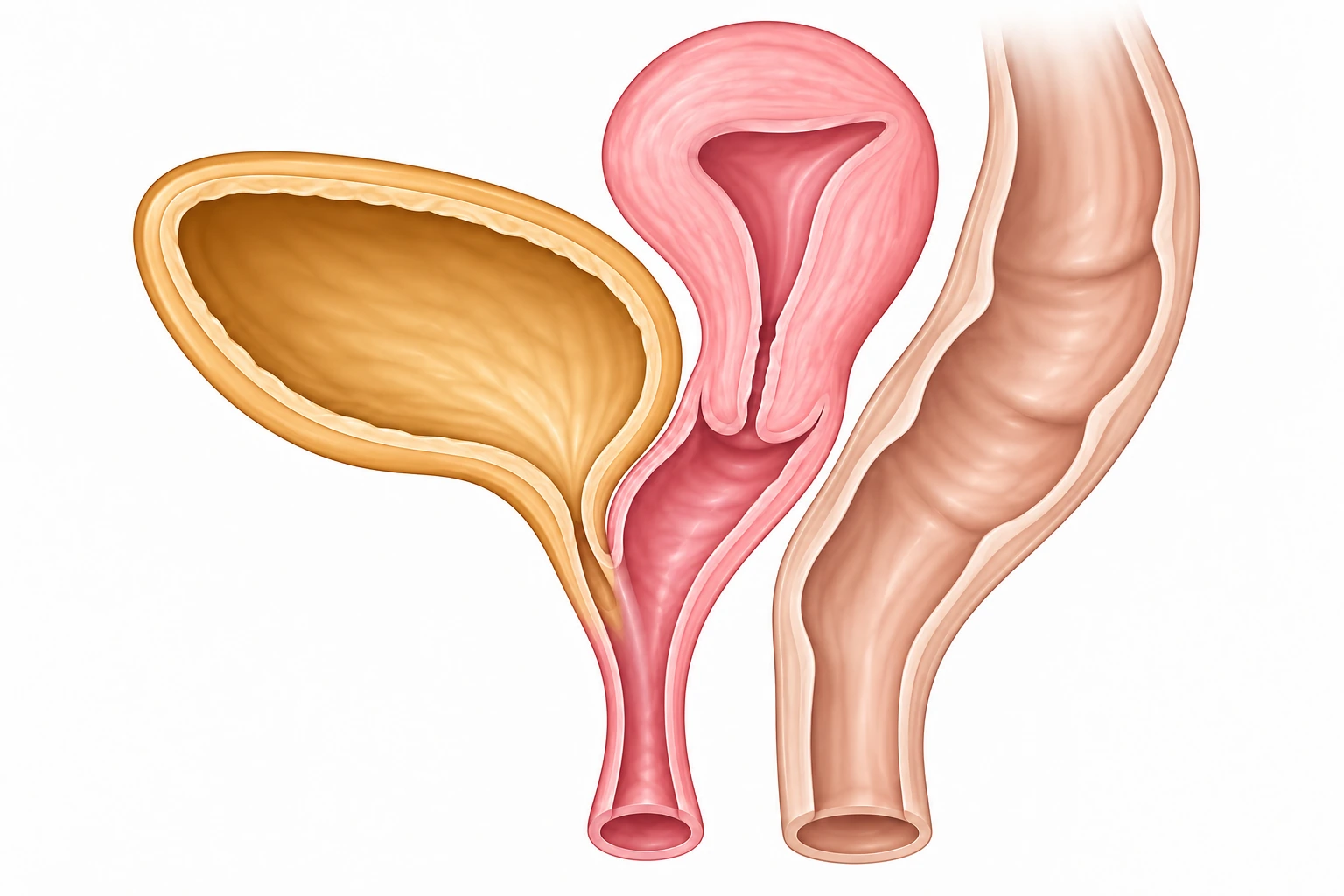
Urogenital sinus
A congenital condition in which the urethra and vagina share a common channel opening to the outside.
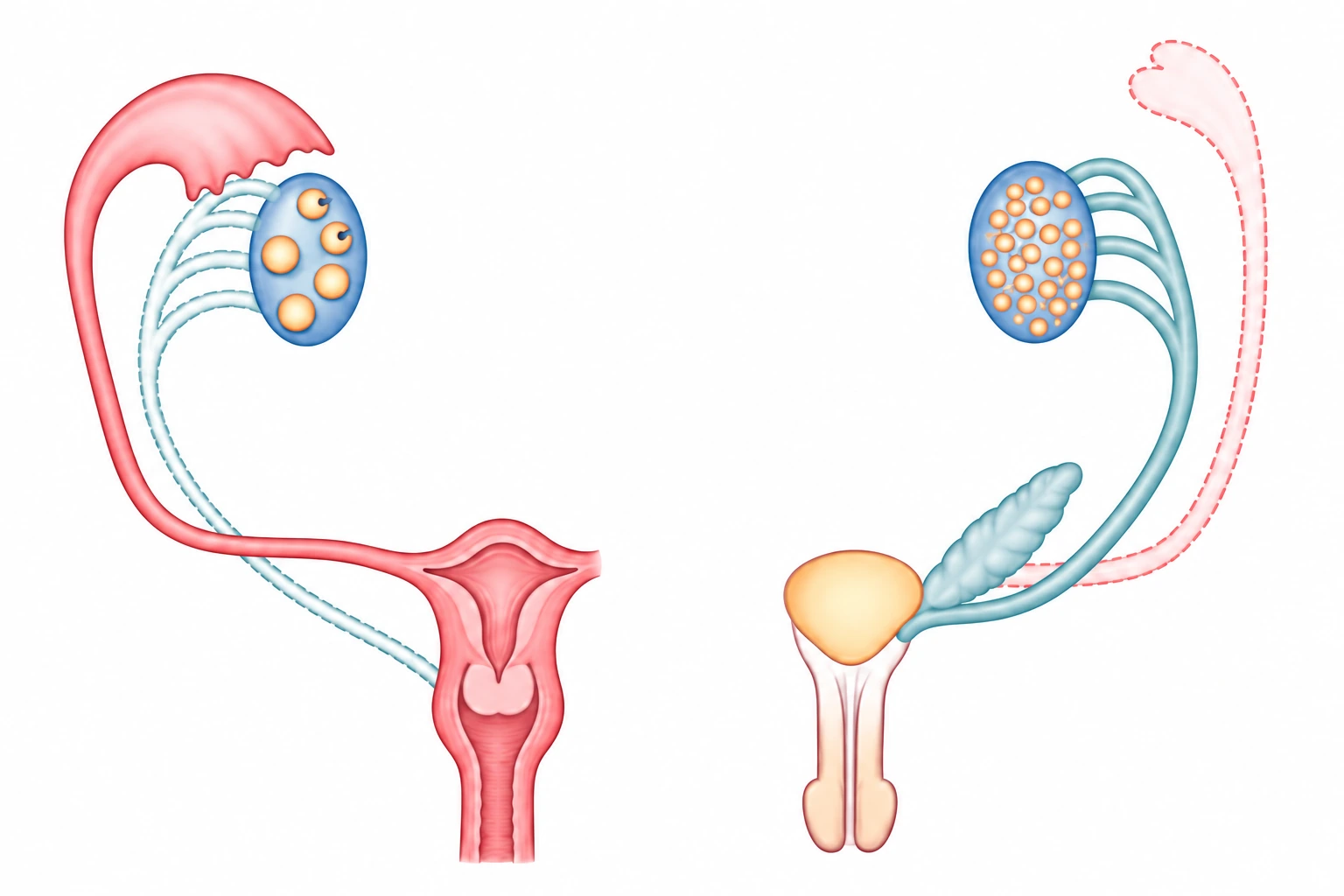
Disorder of sex development (DSD)
Congenital conditions involving variations in chromosomal, gonadal or anatomical sex development.
These anatomical and functional diagrams are illustrative examples and do not represent every variation.
Further reading
- Phimosis and foreskin development — EAU
- Care of the uncircumcised penis — CHOP
- Hypospadias — CHOP
- Micropenis — CHOP
- Epispadias — CHOP
- Undescended and non-palpable testes — EAU
- Varicocele — CHOP
- Differences of sex development — EAU
- Urogenital sinus — Children’s Health
- Testicular torsion — CHOP
- Torsion of the appendix testis — CHOP
- Epididymitis — CHOP
- Labial adhesions — CHOP
- Epididymal cysts — CHOP
- Testicular microlithiasis — EAU