Dr. Oriol Martín Solé · Information for families
Lower urinary tract conditions in children
The lower urinary tract includes the bladder and urethra. These conditions can affect urine storage, control or outflow.
Understanding the lower urinary tract
7 conditions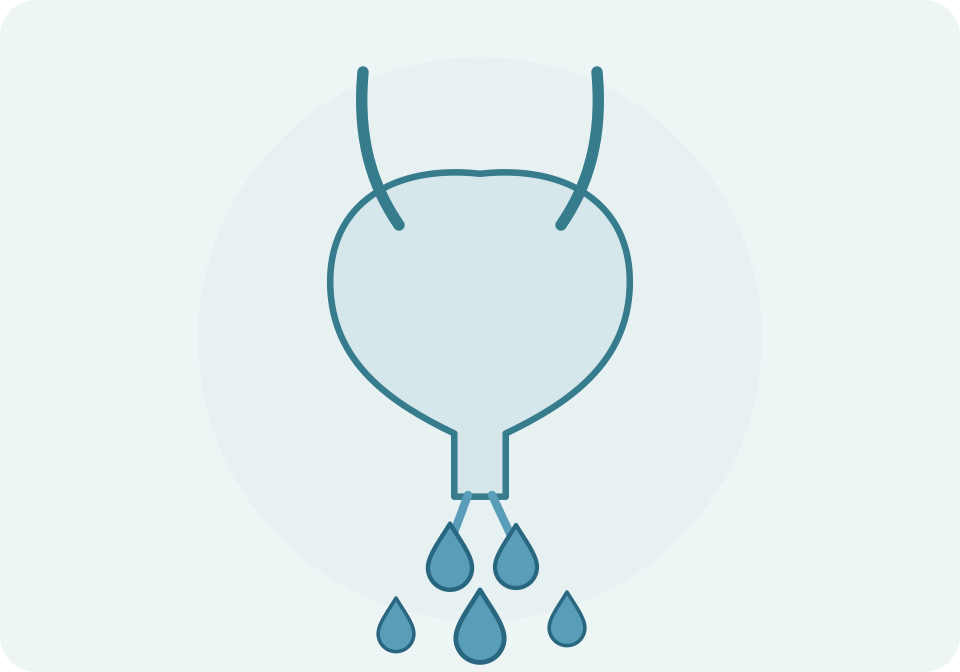
Urinary incontinence
Involuntary urine leakage that may have different causes and occur during the day or at night.
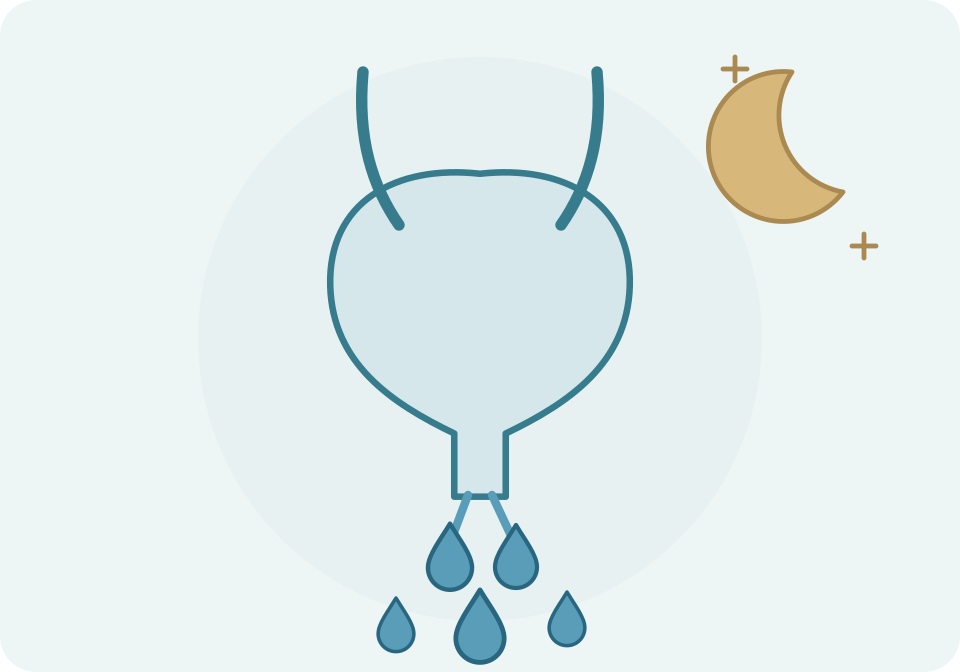
Enuresis
Involuntary wetting during sleep from the age of five years.
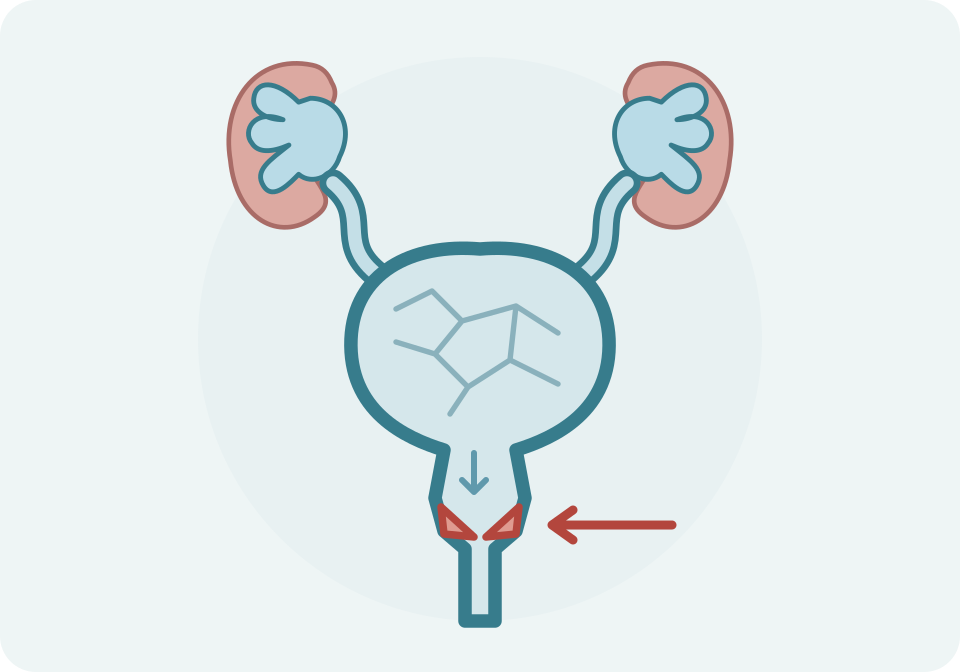
Posterior urethral valves
Congenital membranes in the posterior urethra of boys that obstruct urine flow and may damage the bladder and kidneys.
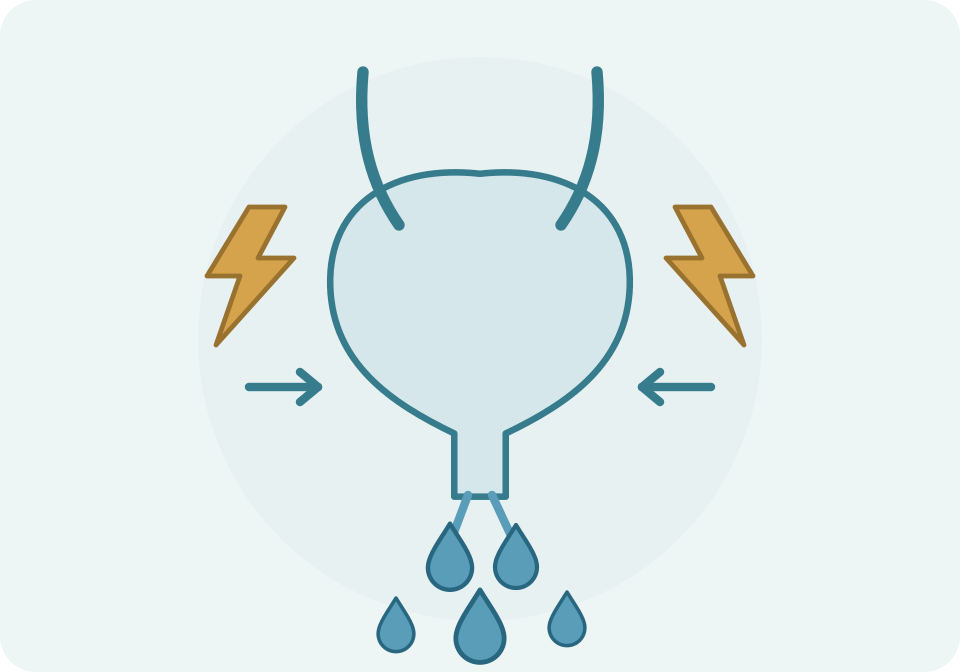
Overactive bladder
A sudden, intense urge to urinate (urinary urgency), often with frequent urination and possible urine leakage.
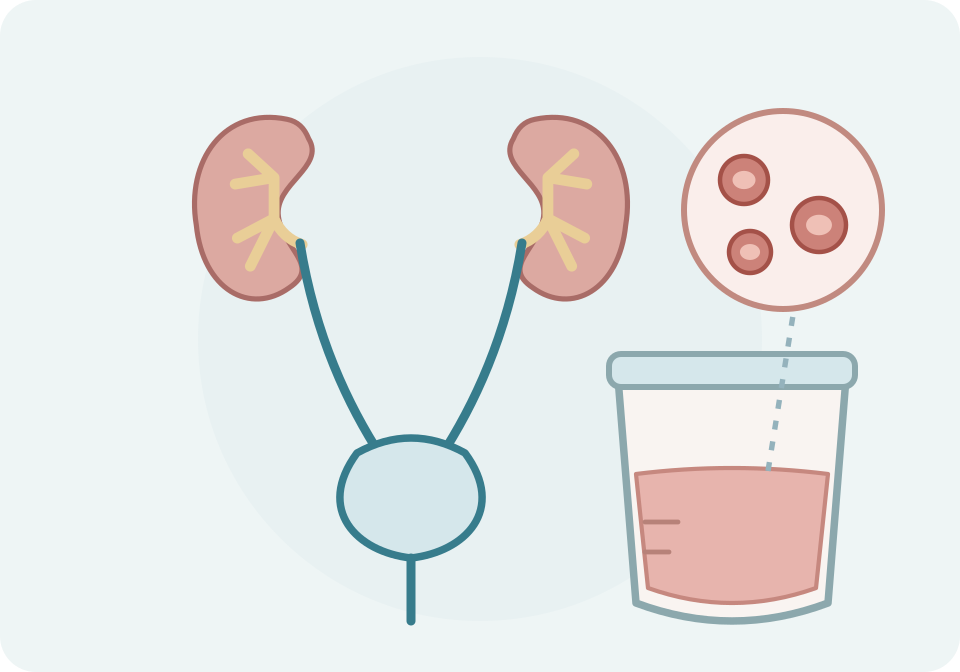
Haematuria
Blood in the urine, which may be visible to the eye or detected only on a urine test, and can have different causes.
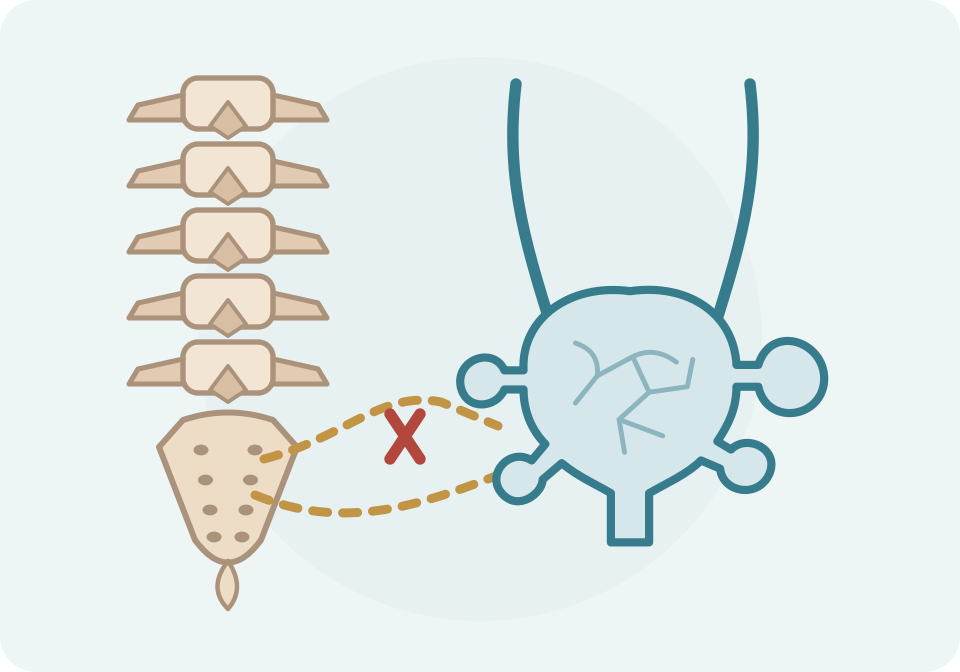
Neurogenic bladder
Impaired bladder nerve control, usually due to spina bifida in children, but also caused by spinal cord injury or tumour compression.
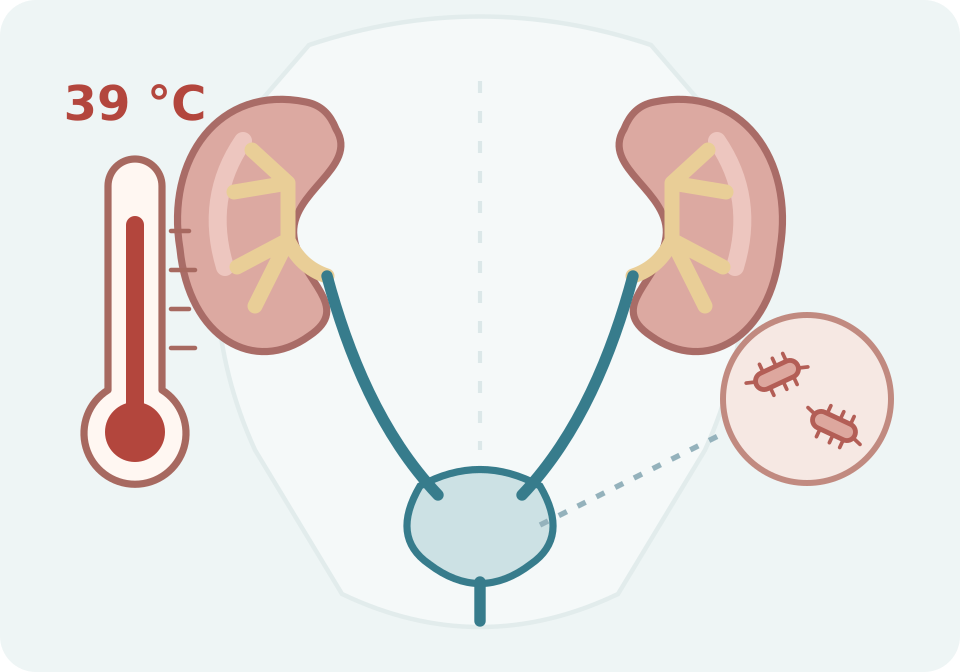
Urinary tract infection
Infections of the urinary tract, usually caused by bacteria, that may affect the bladder or kidneys.
These anatomical and functional diagrams are illustrative examples and do not represent every variation.
Further reading
- Posterior urethral valves — CHOP
- Congenital lower urinary tract obstruction — EAU
- Haematuria — NIDDK
- Haematuria in children — AAP
- Neurogenic bladder
- Daytime lower urinary tract conditions — EAU
- Bladder control and bedwetting — NIDDK
- Urinary tract infection in children — NIDDK
- Urinary tract infection clinical pathway — CHOP