Dr. Oriol Martín Solé · Information for families
Kidney conditions in children
An overview of kidney conditions in childhood: how kidneys develop, where they are located and the problems that can affect them.
Understanding kidney conditions
9 conditions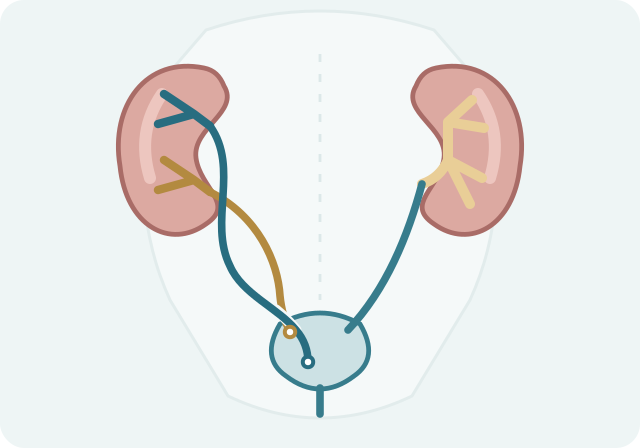
Duplex kidney
One kidney has two systems for collecting and draining urine.
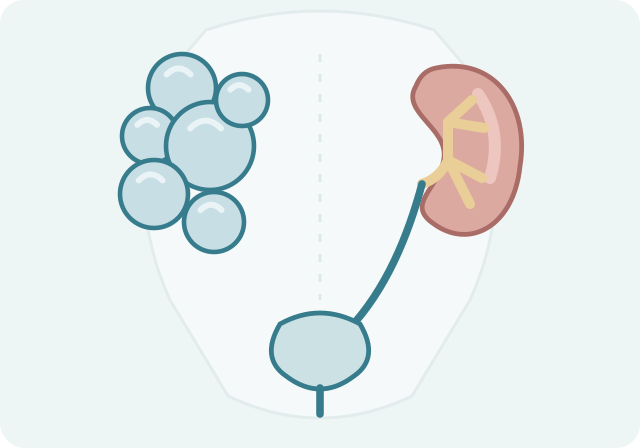
Multicystic dysplastic kidney
A congenital condition in which multiple cysts replace the tissue of a non-functioning kidney.
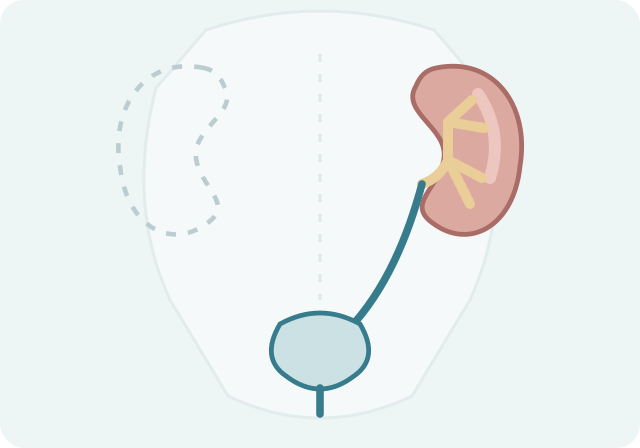
Renal agenesis
Congenital absence of a kidney because it did not develop during pregnancy.
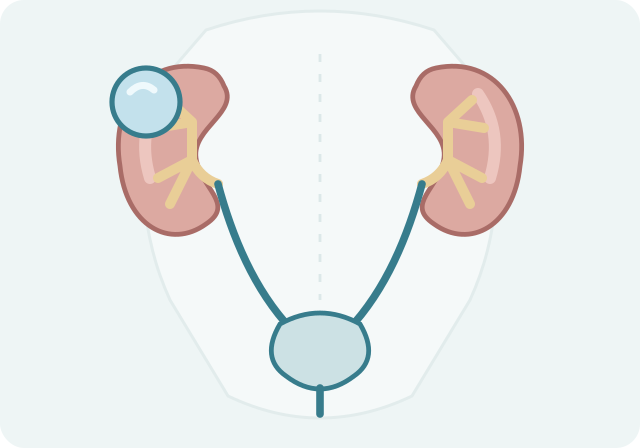
Kidney cyst
A fluid-filled cavity that forms within or on the surface of a kidney.
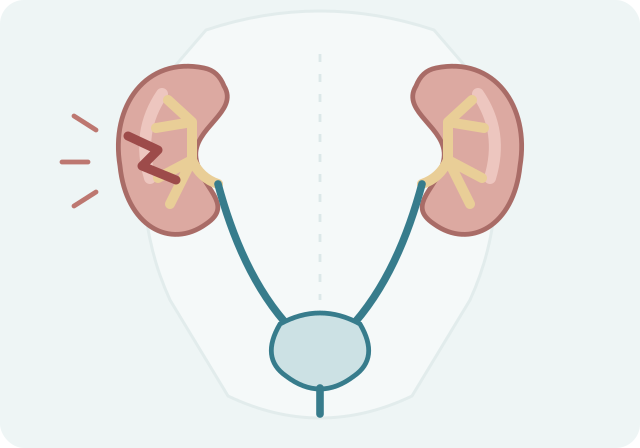
Kidney trauma
An injury to the kidney caused by a blow, a fall or an accident.
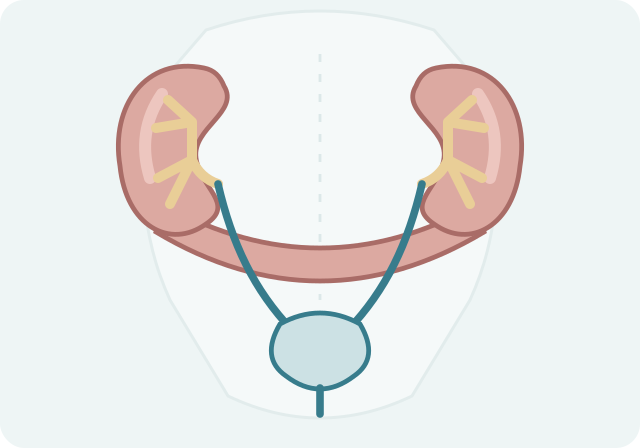
Horseshoe kidney
Congenital fusion of the two kidneys, usually at their lower poles, forming a horseshoe shape.
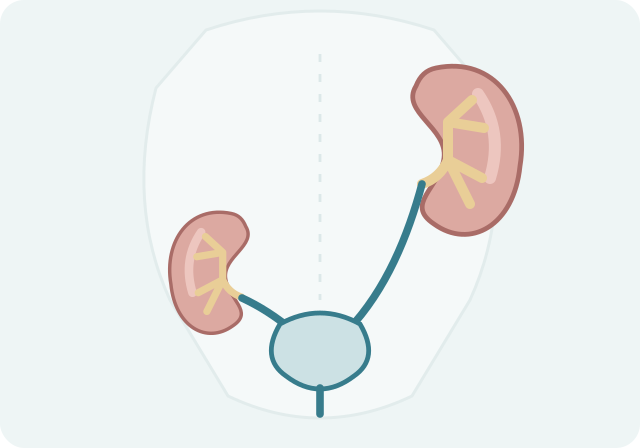
Pelvic kidney
A kidney that remains in the pelvis instead of moving up to its usual position.
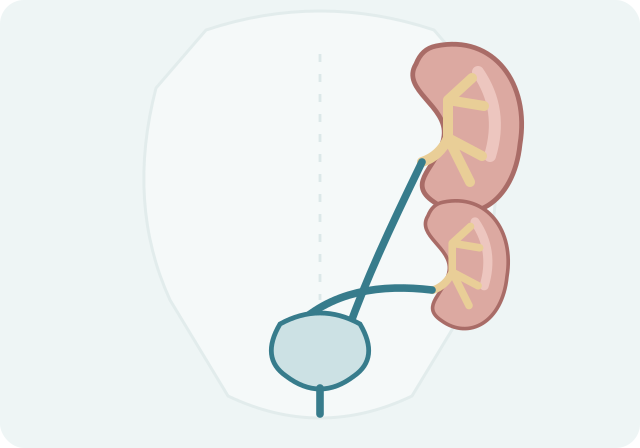
Crossed renal ectopia
A kidney located on the opposite side of the body, often joined to the other kidney.
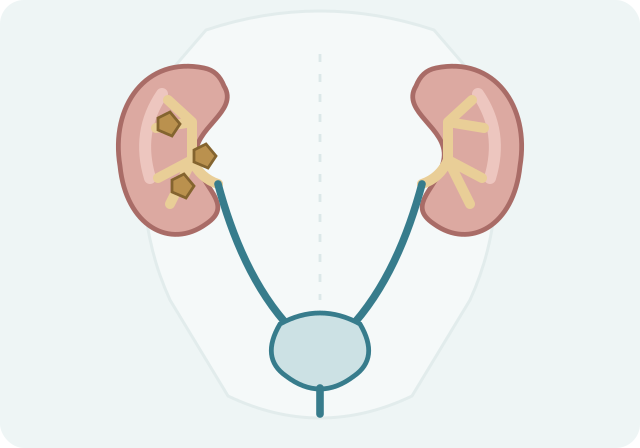
Kidney stones
Stones that form in the kidney when crystals in the urine build up.
Illustrative diagrams show one example of each condition and do not represent every variation.